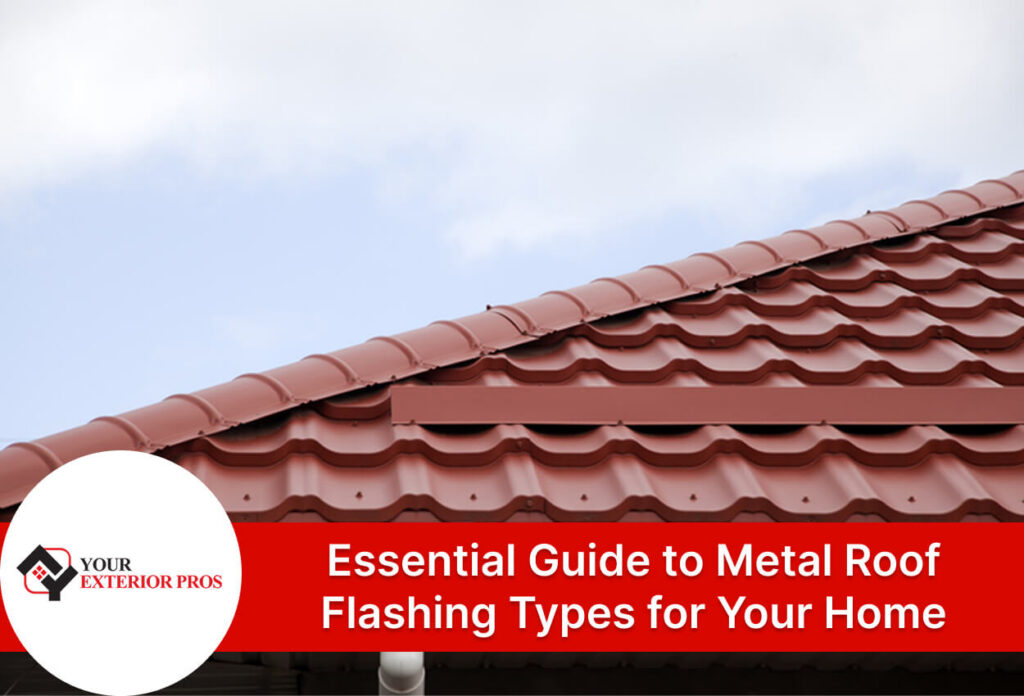

Metal roof flashing is a critical component that protects homes from water damage and structural deterioration. These specialized pieces of metal create waterproof barriers at roof joints, transitions, and gaps where standard roofing materials cannot provide adequate protection.
Different types of metal roof flashing work together to be a comprehensive defense against water infiltration. Each flashing type serves a specific purpose, from directing water away from vulnerable areas to sealing gaps around chimneys, vents, and roof valleys.
Step flashing installation protects the joints between roofs and vertical surfaces like walls and dormers, while valley flashing systems channel water away from roof intersections where two slopes meet. Chimney flashing creates multi-layered protection around one of the roof’s most vulnerable areas. Drip edge flashing guards the roof perimeter by directing water into gutters rather than allowing it to seep under roofing materials. Additionally, understanding the various roof flashing materials available, including aluminum, steel, and copper, helps homeowners choose the best option for their roofing systems.
The durability of any roofing system depends on its flashing. Without adequate flashing protection, even the highest-quality roofing materials cannot prevent water from finding its way into the home’s structure, leading to expensive repairs and potential health hazards from mold and rot.
Popular Metal Materials Used in Roof Flashing Systems
Selecting the appropriate roof flashing materials requires understanding the characteristics of each metal option. Three primary metals dominate the market: aluminum, copper, and galvanized steel, each with advantages for different applications and budgets.
- Aluminum flashing provides excellent corrosion resistance and lightweight durability at an affordable price point. This material works exceptionally well in coastal environments and areas with moderate weather conditions. Aluminum maintains its protective qualities for decades while remaining easy to work with during installation and repairs.
- Copper flashing is a premium choice among roof flashing materials, offering superior longevity and natural antimicrobial properties. While copper requires a higher initial investment, it develops a protective patina over time that enhances its weather resistance. This material performs exceptionally well in valleys and around chimneys where long-term reliability is essential.
- Galvanized steel flashing delivers robust protection at a moderate cost, making it popular for drip edge flashing and other high-stress areas. The zinc coating provides corrosion resistance, though periodic maintenance may be required in harsh climates.
Local weather conditions significantly influence material selection. Coastal areas benefit from aluminum’s salt-air resistance, while regions with extreme temperature fluctuations favor copper’s thermal stability. Budget considerations often make galvanized steel attractive for large projects without compromising protection.
Step Flashing: Along Roof Walls and Intersections
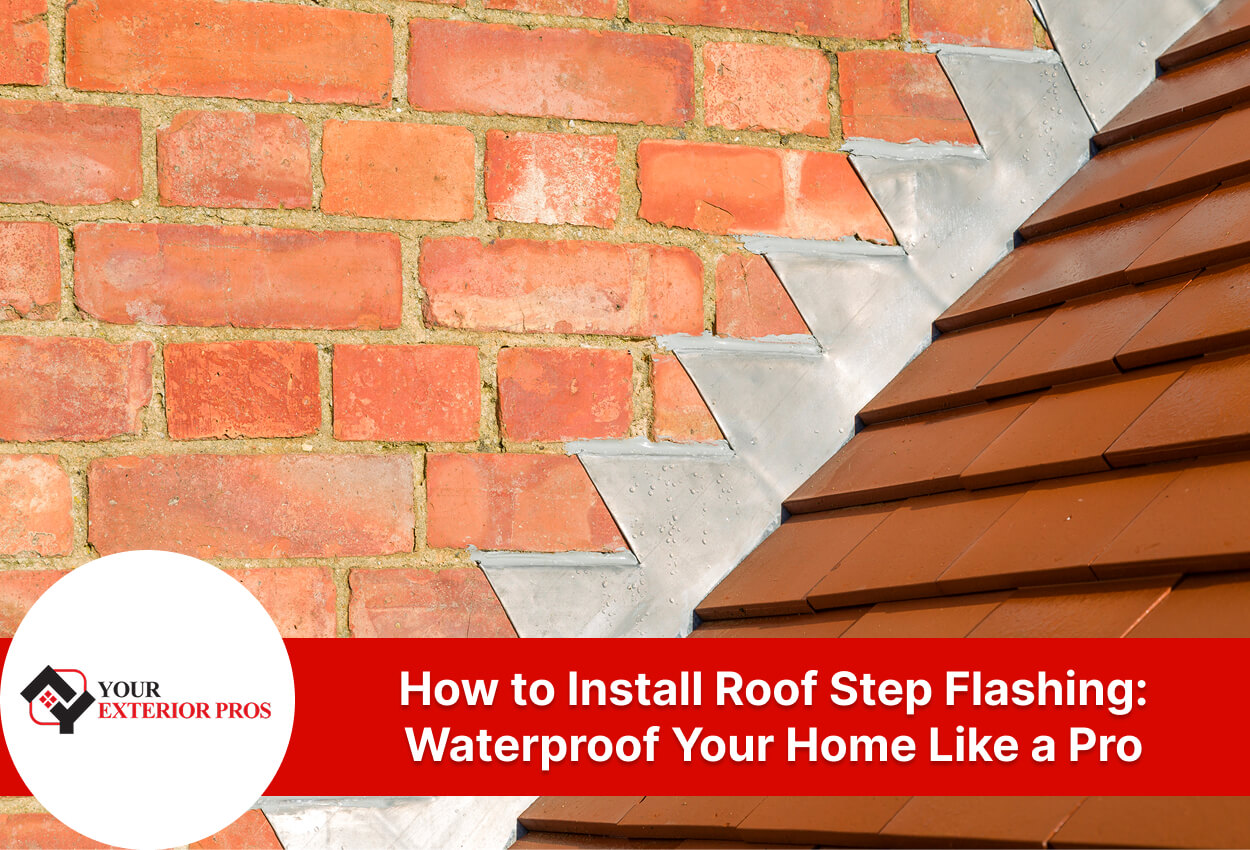
Step flashing creates overlapping protection where roofs meet vertical walls, dormers, and other structural intersections. This specialized roof flashing material consists of individual L-shaped pieces installed with each piece overlapping the one below it. The overlapping design ensures water flows down the roof surface without seeping into the vulnerable joint between horizontal and vertical surfaces.
Step flashing installation requires precise sizing and placement techniques to achieve maximum water protection. Each piece typically measures 4 to 6 inches in both directions, though dimensions may vary based on roof pitch and exposure conditions. The flashing pieces integrate with both the roofing material and the wall’s water-resistant barrier, creating a continuous seal that prevents moisture infiltration.
Installation begins at the bottom of the intersection, with each successive piece positioned to overlap the previous one. This overlapping pattern directs water away from the joint while accommodating natural building movement and thermal expansion. Unlike other types of metal roof flashing that rely on single continuous pieces, step flashing’s segmented design provides flexibility that prevents cracking and separation over time.
The effectiveness of step flashing depends on proper integration with surrounding roofing components. Each piece must align correctly with shingles or other roofing materials while maintaining sufficient overlap to ensure comprehensive water management throughout the roofing system.
Valley Flashing: Solutions for Roof Intersections
Valley flashing systems protect the junction where two roof slopes meet, which is one of the most vulnerable areas for water infiltration. These roof flashing materials must handle concentrated water flow from multiple roof surfaces while maintaining long-term durability under extreme weather conditions. There are two main installation options for valley flashing: open and closed valleys.
Open valley flashing systems feature exposed metal channels that allow water to flow freely down the valley center. This approach works exceptionally well with asphalt shingles and provides easy maintenance access. The visible metal creates clear water pathways while allowing debris to wash away naturally, making open valleys ideal for steep-pitched roofs and areas with heavy rainfall.
Closed valley flashing systems position the metal beneath overlapping shingles, creating a hidden protective barrier. This method offers a more seamless finish since the flashing remains concealed, but requires more precise step flashing installation techniques. Closed valleys work best with uniform roofing materials and moderate water flow.
No matter the type of valley chosen, installation considerations include proper valley width, adequate underlayment protection, and secure fastening methods. Valley flashing must extend up each roof slope from the centerline, with wider valleys needed for steeper pitches or longer roof runs. Adding an ice and water shield beneath the metal flashing provides additional protection against driven rain and damage from ice dams.
Areas where severe storms are common need robust valley construction with reinforced fastening patterns and premium roof flashing materials like copper or heavy-gauge aluminum to withstand concentrated water pressure and debris. Without quality valley flashing, the roofing system is vulnerable to major water damage, making it an essential component for homes.
Chimney Flashing: Components and Their Specific Functions
Chimney flashing systems include multiple components working together to protect against leaks around these complex structures. Base flashing, step flashing, and cap flashing create a comprehensive barrier that addresses the challenges created by chimneys extending through the roofing system.
Base flashing forms the foundation layer, extending from the roof surface up the chimney sides to create the primary water barrier. This component typically consists of a single continuous piece or multiple overlapping sections that integrate with the surrounding roofing materials. The base layer must accommodate thermal movement between the roof deck and masonry chimney structure.
Step flashing installation around chimneys follows the same overlapping principles used at wall intersections, but requires careful coordination with the base flashing system. Each L-shaped piece works with the base layer to direct water away from the chimney-roof junction while maintaining flexibility for structural movement.
Cap flashing completes the protection system by covering the upper edges of the base and step flashing components. This top layer typically embeds into the chimney mortar joints or attaches to a reglet cut into the masonry. Cap flashing prevents water from entering behind the lower flashing layers while directing drainage down the chimney sides.
Common problem areas include inadequate overlap between flashing components, improper integration with roof materials, and failed sealant connections. These issues can lead to leaks, interior damage, and structural deterioration that requires extensive repair work throughout the home.
Drip Edge Flashing: Protection for Roof Perimeters
Drip edge flashing provides essential protection along roof perimeters by creating a controlled water pathway that prevents moisture damage to fascia boards and underlying roof structures. This specialized roof flashing material extends beyond the roof deck edge, directing water directly into gutters rather than allowing it to flow back under roofing materials or drip onto exposed wood components.
The water-directing function of drip edge flashing becomes even more critical during winter when ice dams can threaten roof integrity. By establishing a clean separation point at the roof edge, drip edge flashing prevents water from backing up under shingles and freezing against the roof. This barrier helps maintain drainage even when ice accumulates along the roof perimeter.
Proper installation techniques vary between eaves and rake edges due to their different water management requirements. Eave installation positions the drip edge under the ice and water shield but over the underlayment, ensuring water flows into gutters without seeping into the roof system. The drip edge must extend beyond the fascia board while maintaining a slight downward angle.
On the other hand, rake edge installation requires the drip edge to be placed over all underlayment materials to prevent wind-driven rain from getting under the roof edges. This positioning creates an effective seal against lateral moisture while directing water toward the eaves. Both applications require secure fastening with appropriate screws that won’t compromise the flashing integrity or create potential leak points.
Selecting the Right Flashing Type for Your Roofing Project
Choosing appropriate types of metal roof flashing requires looking at your roof’s specific needs in terms of performance and protection. Roof pitch significantly influences flashing selection, as steeper slopes require different drainage considerations than low-pitched applications. High-pitched roofs shed water quickly, allowing for narrower valleys, while lower pitches need wider channels and more robust flashing installation to handle slower water movement.
Local weather patterns play a crucial role in determining suitable roof flashing materials for specific applications. Areas experiencing frequent freeze-thaw cycles benefit from copper or premium steel flashing that withstands thermal expansion without cracking. Coastal regions require corrosion-resistant materials like aluminum, while inland areas with moderate climates can utilize galvanized steel options effectively.
Additionally, existing roof materials must integrate seamlessly with new flashing components to maintain system integrity. Asphalt shingles work well with most types of flashing, while metal roofs require specialized attachment methods and compatible materials to prevent galvanic corrosion. Tile and slate roofs generally need specific flashing types that accommodate their unique profiles.
When it comes to installation, calling a professional is essential for complex applications involving valley flashing systems or multi-component chimney configurations. Simple drip edge flashing replacement may suit experienced homeowners, but step flashing installation around dormers and intersections requires specific techniques to ensure proper water management. Professional roofers possess the expertise to identify potential problem areas and recommend appropriate solutions for specific building conditions and local climate challenges.
Protect Your Home with Expert Metal Roof Flashing Installation from Your Exterior Pros
At Your Exterior Pros, we understand the importance of selecting the right type of metal roof flashing to combat local weather conditions and prevent water damage. Whether you’re considering aluminum, copper, or galvanized steel, our team is here to provide top-notch expertise and quality service.
Don’t let improper installation compromise your roof’s durability. Trust Your Exterior Pros to handle your roofing project with precision. We offer free consultations to discuss your specific needs and recommend the most effective flashing types for your home. Protect your investment with our reliable roofing solutions.
Ready to upgrade your home’s defense against the elements? Call us at (912) 250-4730 to schedule your consultation and ensure your roof is in top condition!