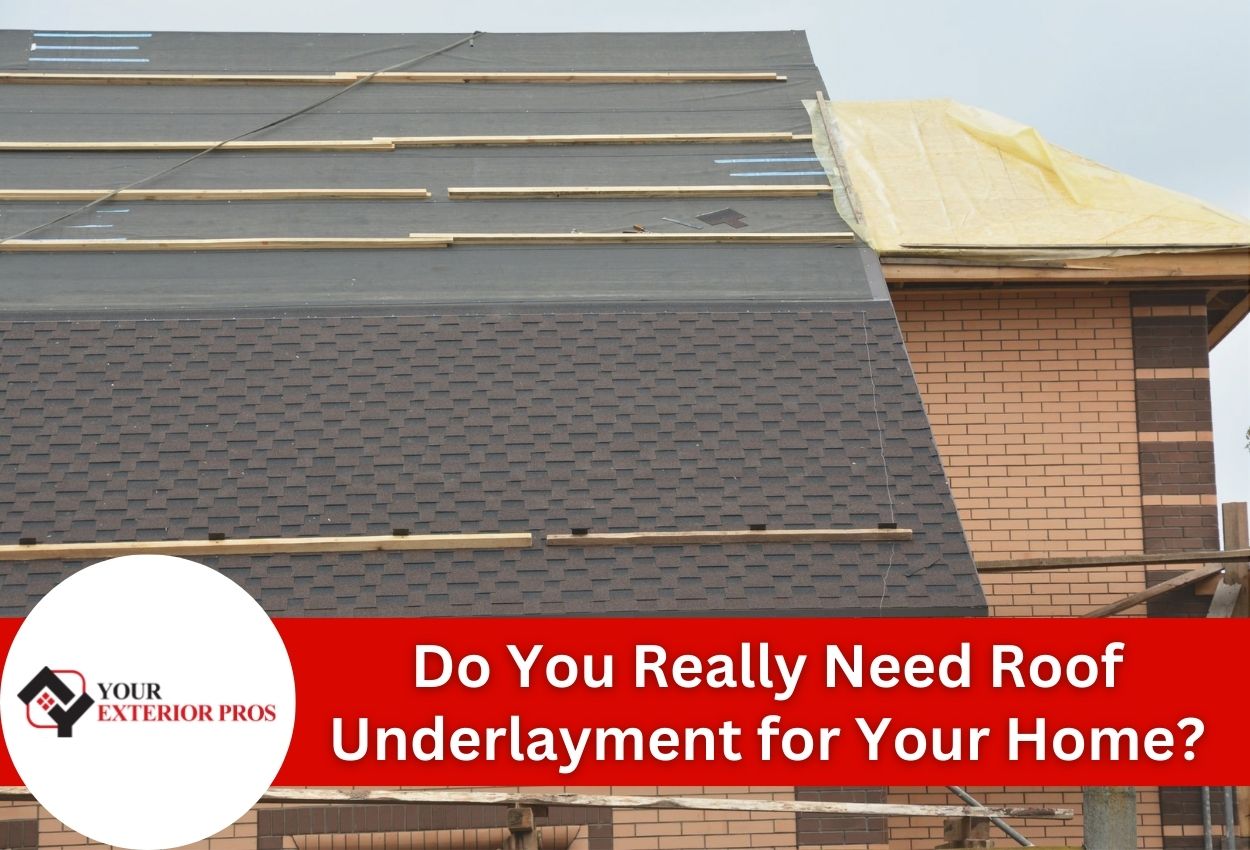


Roof underlayment is a critical barrier between the roof deck and exterior roofing materials. This protective layer prevents moisture from reaching the wooden structure beneath your shingles, guarding your home from expensive water damage and structural deterioration.
Understanding how to choose roof underlayment requires knowing the various materials available and their characteristics. The roof underlayment types available today include traditional felt and modern synthetic options, each with advantages and differences in durability, weight, and weather resistance that directly impact long-term roof performance.
Proper underlayment selection is especially important in coastal Georgia’s climate, where homes face intense sun exposure, heavy rainfall, and occasional severe weather events. Waterproof underlayment materials provide enhanced protection against these challenging conditions while ensuring compatibility with the most common roofing material in the region.
The right underlayment choice depends on multiple factors, including roof pitch, climate exposure, roofing material type, and local building codes. Making the right decision requires understanding these variables and how different underlayment materials respond to specific environmental conditions and installation requirements.
Types of Roof Underlayment Materials Available Today
Understanding the different roof underlayment materials available helps homeowners choose the best option to protect their roofing systems. The best roof underlayment types fall into three primary categories, each with unique benefits for different scenarios.
Traditional felt underlayment, manufactured from an organic or fiberglass mat saturated with asphalt, remains a popular choice for many residential projects. This material provides reliable water resistance and affordability, making it suitable for standard roofing applications. However, felt can tear easily during installation and may deteriorate faster under extreme weather conditions.
Synthetic underlayments are the modern evolution in waterproof underlayment materials, offering superior durability and tear resistance compared to traditional options. These products typically feature polypropylene or polyethylene construction with enhanced UV protection, allowing extended exposure during construction delays. Synthetic materials are generally favored over traditional felt for their lighter weight and improved walkability during roof installation.
Rubberized asphalt underlayment combines asphalt with rubber polymers, creating a self-sealing membrane that provides exceptional water protection. Self-adhering membranes are specialized solutions for challenging areas like valleys, eaves, and penetrations where standard materials may be insufficient.
Each underlayment type performs differently with various roofing materials, while climate considerations, roof slope, and local building requirements all influence the optimal material choice for long-term roof system performance.
Synthetic vs. Felt Underlayment: Comparing the Top Options
The synthetic vs. felt underlayment debate centers on performance differences that significantly impact roof protection and installation efficiency. Synthetic underlayment offers superior durability through its advanced polymer construction that resists tearing during installation and extreme weather exposure. These materials typically weigh less than traditional felt, reducing structural load and making roof underlayment installation safer for contractors.
Weather resistance is another key advantage of synthetic materials, with enhanced UV protection allowing exposure for up to six months without degradation. This extended exposure time can be valuable when construction delays occur or phased installation becomes necessary. Synthetic options also provide better slip resistance, improving worker safety during installation.
Traditional felt underlayment maintains its relevance through proven performance and established compatibility with various roofing systems. Felt materials offer excellent adhesion properties and conform well to roof deck irregularities, creating effective water barriers when properly installed. The material’s breathability helps prevent moisture buildup in roof assemblies, which is particularly important for asphalt shingles.
Budget considerations often favor traditional felt as the less expensive option for standard residential projects. However, synthetic materials frequently justify the higher initial investment through improved installation efficiency and longer service life. These waterproof underlayment materials also provide enhanced protection in challenging climate conditions, making them a preferable choice for homes exposed to severe weather or extended moisture exposure.
Matching Underlayment to Your Specific Roofing Material
Different roofing materials are compatible with specific underlayments, ensuring optimal performance and maintaining manufacturer warranties. Understanding how to choose roof underlayment based on your specific roofing system prevents installation problems and protects long-term structural integrity.
Asphalt shingles generally perform best with synthetic underlayment materials that provide consistent surface texture and temperature resistance. The best roof underlayment types for asphalt shingles include synthetic products with slip-resistant surfaces that prevent shingle movement during thermal expansion.
Metal roofing systems have different considerations, with high-temperature synthetic or specialized membranes recommended for their ability to withstand metal’s thermal conductivity. These waterproof underlayment materials prevent condensation issues while providing noise reduction benefits. Tile roofs need heavy-duty synthetic products that seal gaps between roof deck irregularities while supporting the excess weight of this roofing system.
Cedar shake and slate applications benefit from breathable synthetic materials that allow moisture vapor transmission while blocking liquid water penetration. These specialized products prevent trapped moisture that could damage natural roofing materials from beneath.
Manufacturer warranty compliance often depends on using approved underlayment products specified for each roofing material type. Checking these requirements before roof underlayment installation ensures coverage remains valid and prevents expensive warranty disputes. Professional installation following manufacturer specifications guarantees optimal system performance regardless of the chosen combination.
Climate and Weather Considerations for Underlayment Selection
Climate conditions significantly influence underlayment performance and determine which materials provide optimal protection for specific regions. High humidity can be especially challenging for roof systems, and often requires waterproof underlayment materials for superior moisture management. Coastal areas experience additional stress from salt air exposure, which can accelerate material degradation and necessitate more durable synthetic options.
Severe weather patterns, including heavy rainfall, high winds, and temperature extremes, need underlayments that are engineered for enhanced durability. The best roof underlayment types for challenging climates feature reinforced construction and improved tear resistance to withstand storm conditions.
Water resistance ratings provide measurable standards for comparing different underlayment products under various exposure conditions. These ratings help determine appropriate materials for specific roof slopes, climate zones, and weather exposure levels. Higher-rated products offer increased protection but may require different installation techniques.
Vapor permeability is another critical factor that affects underlayment effectiveness, particularly in humid climates where moisture buildup can compromise a roof’s structural components. Understanding how water vapor interacts with different roofing materials ensures proper moisture management throughout the entire roof assembly.
Selecting underlayment for asphalt shingles requires balancing water resistance with appropriate vapor permeability to prevent trapped moisture while protecting against external water infiltration.
Key Performance Features to Evaluate When Choosing an Underlayment
Performance specifications directly determine how well an underlayment protects roofing systems against water damage and weather exposure. Waterproof capabilities are the most important feature when evaluating different materials, with permeability ratings indicating each product’s ability to prevent moisture penetration under various conditions. Premium waterproof underlayment materials typically feature ratings that exceed standard requirements, providing enhanced protection during severe weather.
Tear strength measurements reveal how well an underlayment withstands installation stress and wind uplift during its service life. The best roof underlayment types demonstrate high tear resistance in both machine and cross-machine directions, preventing failure during installation or extreme weather conditions. Synthetic materials consistently outperform traditional options in tear strength testing, making them preferable choices for challenging applications.
UV resistance ratings determine how long an underlayment can remain exposed before roofing material installation occurs. Extended UV protection becomes essential when construction delays happen or staged installation processes require temporary weather protection. Quality synthetic products typically offer up to six months of UV exposure capability compared to felt’s 30-day limitation.
Installation characteristics significantly affect project success for both professional contractors and DIY applications. Ease of handling relates to material flexibility and weight, with lighter synthetic products reducing installation fatigue and improving productivity. Nail-ability refers to how cleanly fasteners penetrate without tearing, while slip resistance ensures worker safety during installation processes across various roof slopes and weather conditions.
By understanding these features and your property’s needs, homeowners can choose an underlayment that protects their structure for decades.
Deciding on an Underlayment and Installation Considerations to Keep in Mind
Finalizing your underlayment selection requires evaluating your roof’s specific requirements, structural characteristics, and local building codes. Begin by assessing your roof’s pitch, as low-slope applications need higher-performance waterproof underlayment materials compared to steep-slope installations. Document your roof deck condition, noting any irregularities or repair needs that might influence material choice and installation complexity.
Local building codes often establish minimum requirements for underlayment specifications, but exceeding these standards often provides better long-term protection. Verify permit requirements and inspection schedules before beginning roof underlayment installation, as some jurisdictions mandate professional installation or specific material certifications. Review manufacturer warranties carefully, ensuring your chosen combination of roofing material and underlayment maintains coverage validity.
Professional installation is generally recommended for underlayment installation, but especially when roof complexity exceeds basic gable designs or when working with premium materials. Complex roof geometries, multiple penetrations, or steep pitches increase installation difficulty and safety risks. Professional contractors have the expertise to integrate different underlayments and create seamless transitions between standard and specialized materials.
DIY capability typically extends to simple roof configurations using standard synthetic or felt products on moderate slopes. However, self-installation requires safety equipment, weather timing, and a thorough understanding of the manufacturer’s specifications. Regardless of the installation approach, proper material storage, clean roof deck preparation, and correct fastening patterns remain essential for optimal underlayment performance throughout the roof system’s service life.
Expert Roof Installation in Coastal Georgia
Choosing the right roof underlayment is crucial for securing your home in Georgia’s coastal climate. Whether you’re considering synthetic or felt underlayment, Your Exterior Pros is here to guide you through the selection process and ensure your roof has the best protection against humidity and severe weather patterns. Our experts specialize in different types of underlayment materials, tailored to meet the specific needs of your roofing material and local building codes.
Don’t compromise on the safety and durability of your roof. Call us today at (912) 250-4730 to learn about the most effective underlayment types for long-term performance and peace of mind. Let Your Exterior Pros help you make the right decision for your home’s roofing needs.