We’re available to answer any questions you have about your project during our normal business hours!

Follow Us On


Schedule a Consultation
Living on Wilmington Island means enjoying one of coastal Georgia's most beautiful communities, but the local environment is hard on exterior paint. The combination of salty air blowing in off the water, high humidity that lingers through much of the year, and close to 50 inches of annual rainfall creates conditions where paint fades, peels, and grows mildew far faster than it would on an inland home. Shaded walls, porch ceilings, soffits, and trim are often the first places you will notice discoloration and organic growth, because those surfaces stay damp between rain storms and rarely get enough sun to fully dry out. Left unaddressed, that kind of surface wear only gets harder to correct over time.
Professional exterior painting for coastal homes is not just about putting fresh color on your siding. It starts with thorough prep work: removing mildew, salt residue, and any organic growth before a single drop of paint goes on. Skipping that step is one of the most common reasons a new paint job fails early in this market. The right coating matters too. High-quality acrylic exterior paints handle the constant humidity and temperature changes on Wilmington Island better than lower-grade products, holding their bond through the repeated wet and dry cycles that come with living near the marsh and the water.
Your Exterior Pros works with homeowners across the Wilmington Island area who want a paint job that actually lasts in coastal conditions. That means recommending the right products, preparing surfaces the right way, and timing the work around the weather windows that give your home the best result.
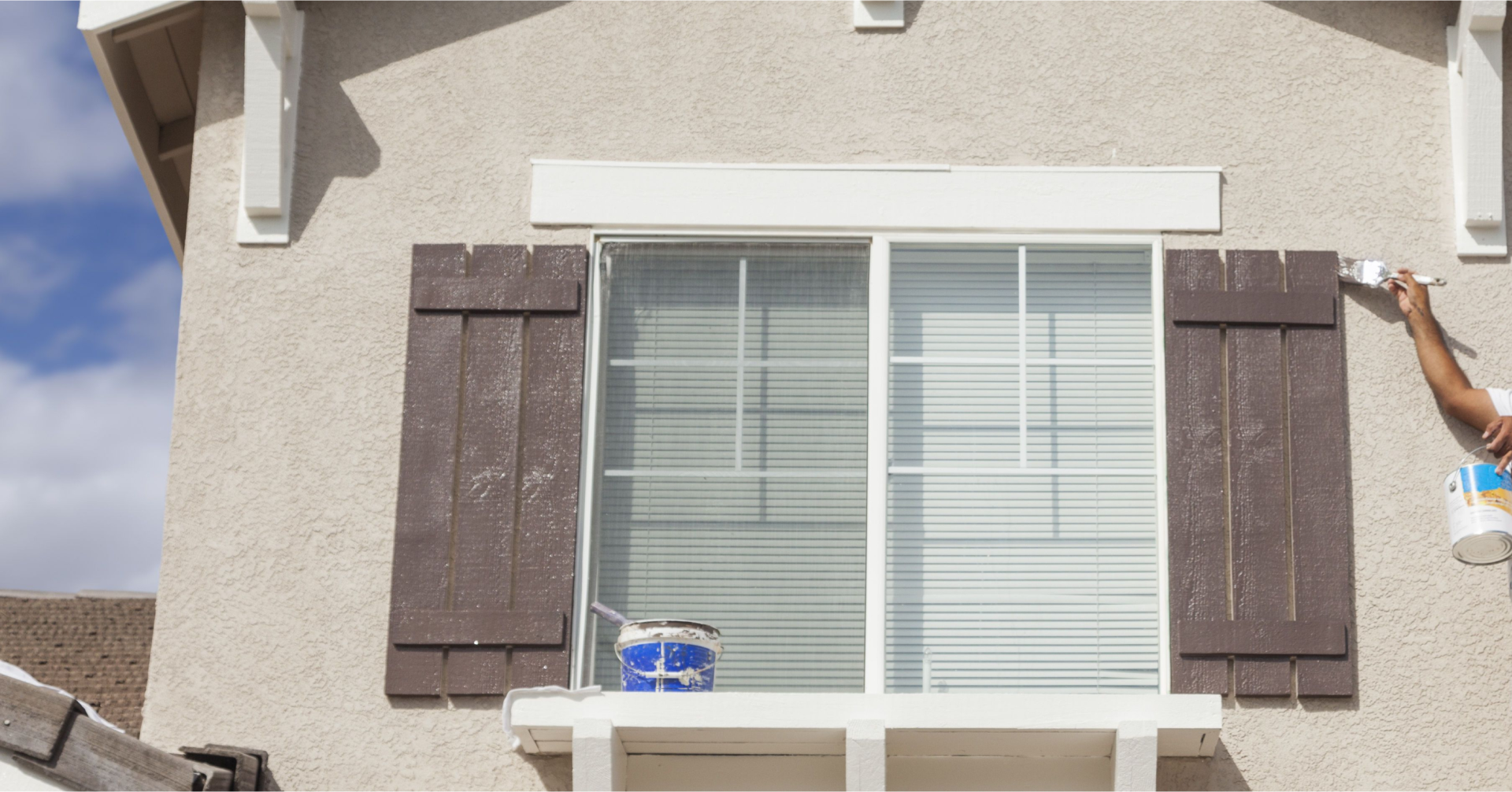
Exterior painting involves more than choosing a new color, particularly in coastal areas where moisture and salt exposure can affect painted surfaces. Your Exterior Pros evaluates the condition of your home, helps you select suitable coatings, and explains the work before the project gets underway.
Timing your exterior paint project well makes a real difference in how long the results last. Coastal Georgia's heat and frequent summer rain create conditions where rushing the schedule can work against you, so knowing when to plan your repaint helps your investment go further.
| Season | Conditions | Painting Suitability |
|---|---|---|
| Spring | Mild temps, lower humidity, less frequent rain | One of the best windows for exterior work |
| Summer | High heat, heavy humidity, frequent afternoon rain | Less favorable; paint can cure poorly in high moisture |
| Fall | Cooling temps, drier stretches, reduced rainfall | Another strong window, especially mid to late fall |
| Winter | Mild but variable; occasional wet spells | Workable during dry stretches, but plan carefully |
Spring and fall consistently offer the most reliable conditions for exterior painting on Wilmington Island. Lower humidity levels during those periods allow 100% acrylic coatings to bond and cure the way they are designed to, which directly affects how well the paint holds up through the wet seasons that follow. If your home has shaded siding, porch ceilings, or soffits that stay damp longer, scheduling during a dry stretch matters even more because those surfaces need extra dry time before coating goes on.
In Wilmington Island's humid, salt-heavy environment, standard exterior paint can start showing mildew and algae growth within a season or two. We use coatings formulated with mildewcide additives on surfaces most vulnerable to organic growth, including shaded siding, soffits, and porch ceilings, so your paint job stays cleaner longer between repaints.
Not every surface needs a full prime coat, but areas with bare wood, previous peeling, or exposed underlayment do. We spot prime those areas before topcoats go on, which helps the finish coat bond correctly and reduces the chance of early failure on the spots most likely to peel in a coastal repaint cycle.
A complete exterior paint job covers more than just the main siding. We paint trim boards, soffits, fascia boards, and other accent surfaces as part of the project so your home has a consistent, finished appearance from every angle, not just the front-facing wall.
Certain colors and finishes hold up better than others on homes that take direct sun, humidity, and salty air day after day. We help you choose shades and sheen levels that are less prone to fading on weather-facing elevations, so the color you pick looks closer to what you chose for longer after the job is done.
The coastal conditions around Wilmington Island are not going to let up, and your exterior paint takes the full brunt of that every season. Homes here deal with a combination of heat, persistent humidity, and salt-laden air that wears down paint faster than most homeowners expect. A quality repaint done with the right products and proper prep gives your siding, trim, and soffits real protection through the wet cycles ahead, and keeps your home looking the way you want it to without needing attention again too soon.
Your Exterior Pros is ready to help you get it done the right way. Whether you are planning ahead for spring, looking to finish up a project before summer arrives, or just tired of looking at peeling trim, reaching out is a simple first step. Take a look at the contact options on this page and let us know what you are working with.
Got questions about your roof? We’ve got answers. From maintenance tips to insurance claims and repair timelines, our FAQ section covers the most common concerns homeowners have. Get informed and make confident decisions about protecting your home.
It does, more than most people realize. Darker colors absorb more heat and can cause paint film to expand and contract faster, while heavily shaded surfaces stay damp longer and are more prone to mildew growth between repaints. On Wilmington Island homes with dense tree cover or marsh-side exposure, lighter or mid-tone colors in a satin or semi-gloss finish tend to perform better over time because they shed moisture more easily and show less discoloration from algae and organic growth.
Peeling, bubbling, or soft spots in the paint film can sometimes point to moisture getting behind the surface rather than just normal wear. Before we apply anything, we inspect siding, trim, and soffits closely for signs of wood rot, failing caulk joints, or areas where water has been working in. If something needs attention beyond painting, we will tell you upfront so you are not covering up a problem that will cost more to fix later.
In a coastal environment like Wilmington Island, surfaces that face prevailing weather, get hit by afternoon sun, or stay in the shade for most of the day all age at different rates. North-facing siding and porch ceilings tend to stay wet the longest after rain, which accelerates mildew and adhesion failure. South and west-facing walls take the hardest sun, which drives fading faster. Knowing which elevations are most exposed helps us target prep work and product selection where your home actually needs it most.
We’re available to answer any questions you have about your project during our normal business hours!
500
1,000


Our Roofing Experts Are Always Ready To Help!