We’re available to answer any questions you have about your project during our normal business hours!

Follow Us On


Schedule a Consultation
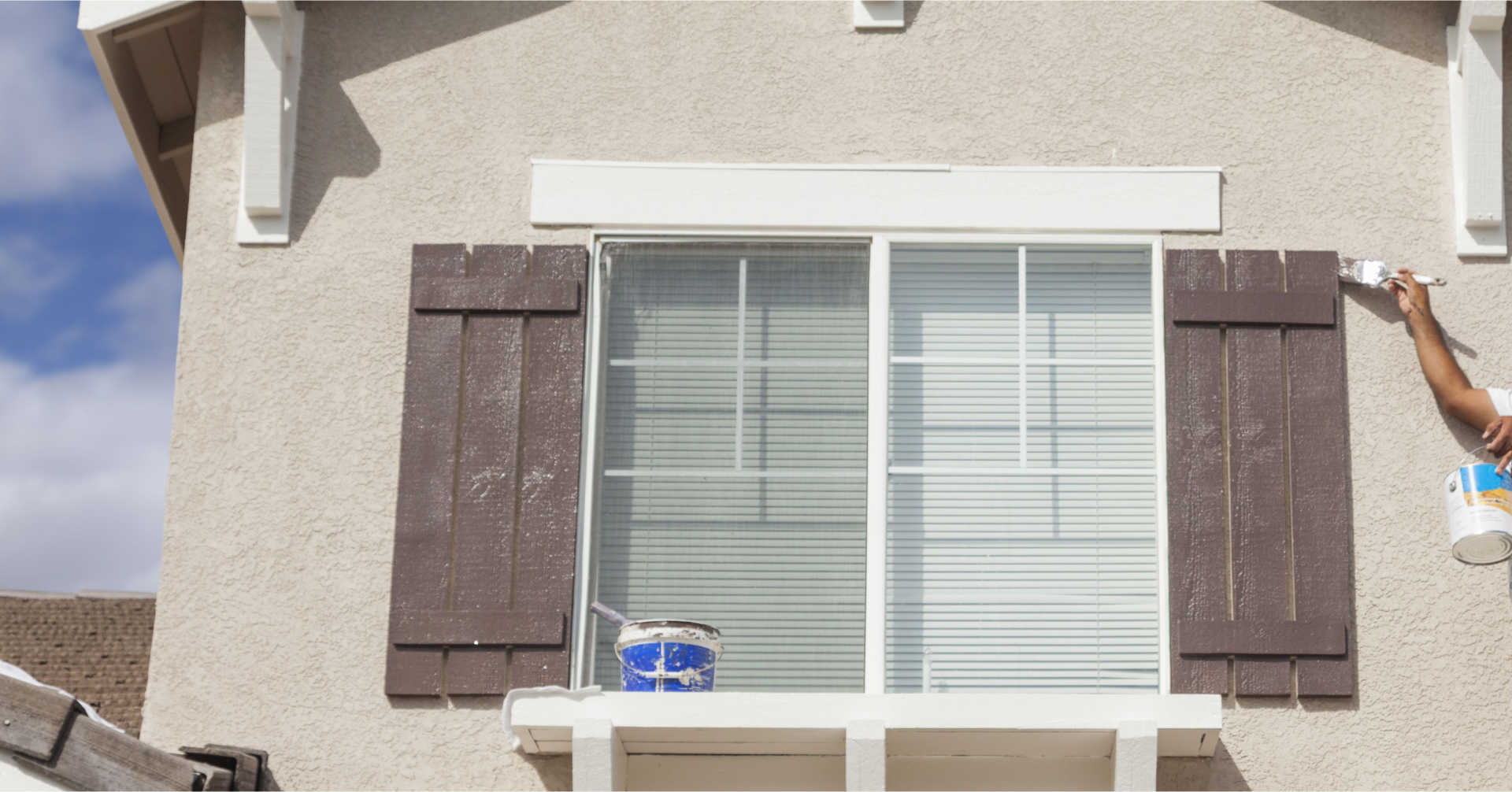
Living near coastal Savannah means your home deals with a combination of challenges that most paint jobs simply aren't built to handle. The salt air drifting in from the coast embeds itself into siding surfaces, the summers push temperatures into the 90s, and the area sees consistent rainfall that keeps humidity high for much of the year. That kind of environment accelerates paint wear fast. What starts as fading or mild peeling can turn into exposed wood, mold growth on siding, and corroding trim if a repainting schedule slips too long. Most homes in Garden City need a fresh exterior coat every five to seven years, and the ones that wait longer often require significantly more prep work before any paint can go down.
Professional exterior painting in this area is less about appearance alone and more about protecting the structure underneath. Your Exterior Pros works with homeowners in Garden City who understand that a quality paint job is a real investment in your property, not just a cosmetic update. The right materials, applied correctly after thorough surface preparation, are what keep moisture out, resist UV breakdown, and hold up against the kind of weather this region delivers year after year.
Timing also matters here. Spring and fall offer the narrow windows of lower humidity and moderate temperatures that allow paint to cure properly between Georgia's frequent rain showers, and planning around that calendar makes a measurable difference in how long the finished job lasts.
Knowing exactly what happens before, during, and after your project makes the whole process easier to navigate. Here is how Your Exterior Pros approaches every exterior painting job from start to finish.
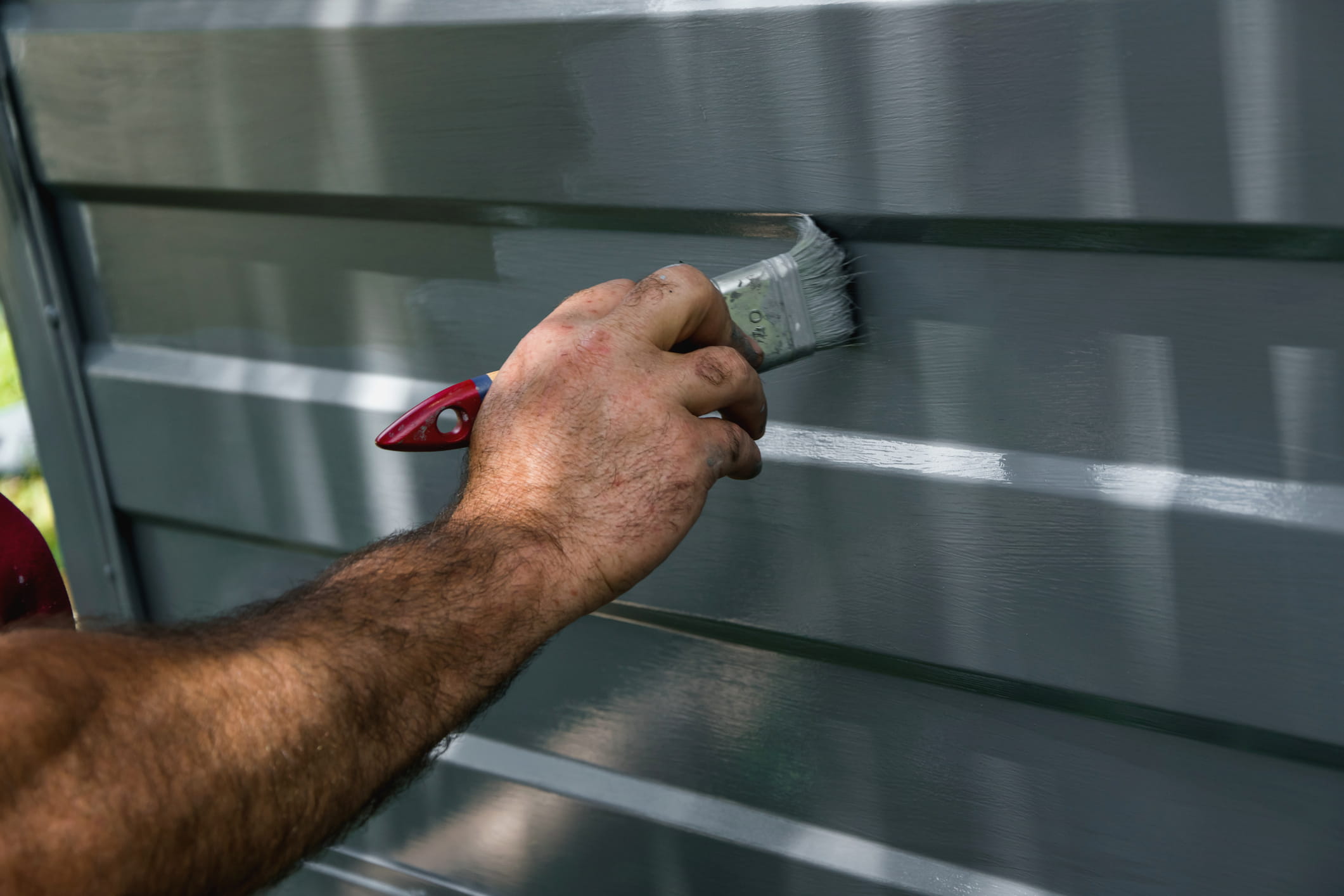
Surface preparation is where a lasting paint job is won or lost, especially in a coastal environment like Garden City. Salt-laden air, persistent humidity, and intense UV exposure all work against paint adhesion over time, which means cutting corners on prep almost always shows up within a season or two. The condition of your siding, trim, and wood surfaces before the first coat goes down determines how well the finished job holds up year after year.
| Surface Condition | Preparation Required | Why It Matters in Garden City |
|---|---|---|
| Salt buildup on siding | Power washing and scrubbing | Salt embedded in siding breaks down material quickly |
| Chalking or UV degradation | Scraping and extra primer layers | Sun exposure on older wood and fiber cement causes the surface to break down |
| Algae or mildew staining | Cleaning and mildew-resistant topcoat | High humidity encourages regrowth on untreated surfaces |
| Blistering or peeling trim | Full scraping and spot priming | Unprotected trim deteriorates faster near coastal air |
| Vinyl siding in good condition | Power washing and acrylic paint | 100% acrylic formulas resist warping from summer heat cycles |
Skipping or rushing any of these steps shortens the life of your paint job significantly. When prep is done right, your exterior holds its finish longer, resists moisture more effectively, and requires less corrective work at the next repainting cycle.
Garden City's humidity creates ideal conditions for algae and mold to return on exterior surfaces, especially on shaded elevations that stay damp between rain events. Applying a mildew-resistant topcoat after surfaces are fully dry gives your home a built-in defense that keeps regrowth from taking hold between repainting cycles.
South-facing walls take the hardest hit from Georgia's intense sun, and without the right primer underneath, paint breaks down into a chalky residue within a few seasons. Extra primer layers formulated to block UV rays are applied to these high-exposure areas so the topcoat holds its color and adhesion far longer than a standard single-coat approach would allow.
Vinyl siding expands and contracts with temperature swings, and the wrong paint can blister, crack, or warp when temperatures push into the 90s. Using 100% acrylic paint on vinyl and trim surfaces keeps the finish flexible enough to move with the material without separating or losing its bond.
Painting projects on multi-story homes in Garden City, particularly those with dormers or elevated sections, may require a local permit and scaffolding that meets Chatham County safety codes. Your Exterior Pros handles this coordination so the work moves forward correctly and you are not left navigating the paperwork on your own.
Garden City's mix of coastal air, high humidity, and strong sun is hard on home exteriors, and a quality paint job is one of the most practical ways to stay ahead of that wear. When your home's exterior is properly prepared and painted with the right materials, you are not just updating the look. You are protecting the siding, trim, and wood surfaces underneath from the kind of gradual damage that gets expensive to correct once it takes hold. Staying on a reasonable repainting schedule keeps your property in good shape and avoids the heavier prep work that comes with waiting too long.
If you have been thinking about refreshing your home's exterior, reaching out to Your Exterior Pros in Garden City is a great first step. We are happy to talk through what your home needs and help you figure out the right timing and approach for your situation.
Got questions about your roof? We’ve got answers. From maintenance tips to insurance claims and repair timelines, our FAQ section covers the most common concerns homeowners have. Get informed and make confident decisions about protecting your home.
Yes, and more than most homeowners expect. Salt particles carried in from the coast settle into siding and work against paint adhesion over time, which is one reason homes in this area tend to show wear sooner than properties further inland. The good news is that proper cleaning before painting and the right topcoat materials can offset most of that damage and extend how long your finish holds up.
Very dark colors absorb more heat on south-facing walls, which can accelerate blistering on vinyl siding when summer temperatures climb. Flat or matte finishes also tend to trap moisture and are harder to clean, making them a poor fit for an environment with frequent rainfall and humidity. A satin or low-sheen finish gives you better moisture resistance and holds up more reliably under local weather conditions.
Paint needs a window of at least 48 to 72 hours of lower humidity to cure correctly, and Garden City's frequent showers can make that tricky to find in summer or deep winter. Late March through early May and September through mid-November tend to offer the most reliable stretches for paint to set before the next round of rain moves through. Booking during those windows rather than waiting for a convenient weekend can make a real difference in how long your finished job lasts.
We’re available to answer any questions you have about your project during our normal business hours!
500
1,000


Our Roofing Experts Are Always Ready To Help!