Making the Decision To Repair or Replace the Siding For Your Savannah Home
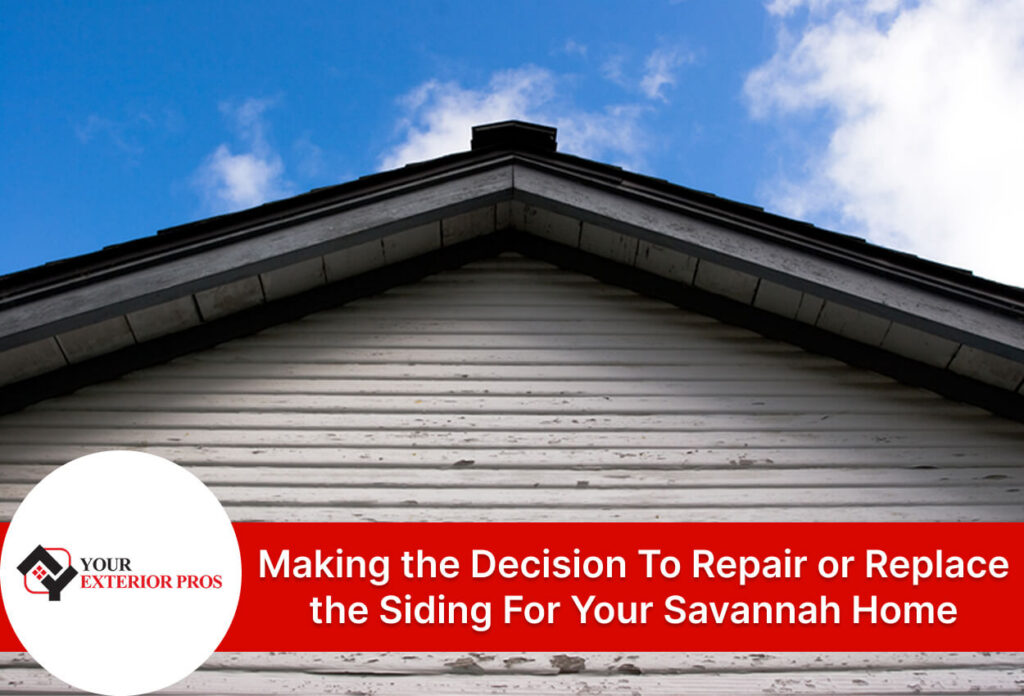

Homeowners in Savannah face a critical question when their siding shows signs of damage: is it better to repair or replace the siding entirely? It may not seem like it, but this choice affects both the appearance and protection of the home. With hot, humid summers and the occasional tropical storm, your home’s exterior needs to withstand significant environmental stressors year-round.
The choice between siding repair and installation isn’t always straightforward. Minor issues like a few damaged panels might only require simple repairs, while extensive deterioration across multiple areas could signal that it’s time for a complete replacement. Understanding how to tell the difference and make the right choice helps homeowners make financially sound decisions that protect their investment.
Key Takeaways: Repair or Replace Siding for Your Savannah Home
- Repair vs. Replace Rule: Choose repairs when damage affects less than 20% of your siding; opt for replacement when 20-30% or more shows deterioration.
- Fiber-Cement Best Lifespan: Fiber-cement siding lasts 50-60 years in Savannah’s humid climate—outperforming vinyl’s 20-40 years and resisting rot, salt spray, and termites.
- Energy Efficiency Upgrade: Complete siding replacement with modern materials significantly improves insulation, reducing HVAC costs in Savannah’s hot, humid summers.
- Maintenance Extends Lifespan: Wash vinyl and fiber-cement siding 1-2 times yearly and reseal wood every 3-5 years to postpone replacement by 5-10 years.
Assessing The Condition of Your Siding
Before deciding whether to repair or replace your siding, you need to thoroughly evaluate it. Georgia’s climate creates unique challenges for home exteriors, especially in coastal areas like Savannah where high humidity (often reaching 70-80% in summer), salt content in the air, and occasional severe weather can accelerate deterioration.
Common signs of siding damage in Georgia include warping, buckling, or rotting boards, particularly if you have wood siding that’s been exposed to moisture extensively. Look for signs of water damage like peeling paint, mold, or mildew growth, along with signs of pests such as termites or carpenter ants causing structural weakness that’s hard to identify.
Signs of moisture infiltration include peeling paint or wallpaper inside your home, musty odors, or unexplained stains on walls and ceilings. When siding allows moisture to penetrate, it creates an ideal environment for mold to thrive, which poses health risks to occupants and can lead to extensive and expensive repairs.
To conduct your own inspection, start by walking around your home and noting any obvious damage. Check for cracked, loose, or missing panels, and press gently along the board to check for softness which indicates rot. Look for cracks in vinyl siding or brittleness, warping or rot in wood siding, and visible cracks or chipping in fiber cement. Additionally, fading colors can signal that the siding’s protective properties have diminished, potentially leaving your home vulnerable to moisture damage. You should also examine seams and edges where moisture can easily get through the siding. Look behind gutters and downspouts where water may collect. Pay special attention to areas near the ground where splash-back occurs and sections with heavy sun exposure which will cause faster deterioration.
If possible, document all findings to share with your siding professional. While minor issues like a few damaged panels often call for repairs, extensive problems across multiple areas typically signal replacement being the more cost-effective choice.
Cost Comparison: Siding Repair vs. Complete Replacement
When Savannah homeowners face siding issues, understanding the financial implications of repair versus replacement is essential in order to make informed decisions. However, it’s not just about simply comparing immediate expenses — it involves evaluating long-term value and durability in our unique coastal climate.
| Factor | Siding Repair | Complete Replacement |
|---|---|---|
| Typical Cost Range | $200-$2,500 | $5,000-$25,000+ |
| Best For | Localized damage (<20% of surface) | Widespread damage, energy issues, or aging siding |
| Expected Lifespan | 5-10 years (temporary fix) | 20-60 years (depending on material) |
| Energy Efficiency | No improvement | Significant improvement with modern materials |
| ROI on Resale | Minimal impact | High ROI; recoups substantial investment |
| Financing Options | Usually paid out-of-pocket | Home improvement loans; potential tax incentives |
Different siding materials will require you to consider different types of repairs. For example, vinyl siding typically offers the most affordable repair options, with damaged sections being relatively simple to replace individually. Fiber-cement repairs tend to fall in the middle of the price range but may require specialized handling. Wood siding often has higher repair costs due to the craftsmanship required and the potential for hidden moisture damage beneath visible problems.
From a long-term financial perspective, repeated repairs will eventually exceed the cost of replacement. If your siding requires attention every few years, these expenses add up, which may justify the investment in the new installation. Complete replacement also adds value to your Savannah home, potentially increasing resale value while eliminating ongoing repair needs. Studies consistently show that siding replacement ranks among the top home improvement projects for ROI, often recouping a substantial portion of the initial investment upon resale. This is particularly relevant in Savannah’s competitive real estate market, where exterior appearance can make a significant difference in attracting potential buyers.
Exploring financing options can make siding replacement more accessible for homeowners. Many lending institutions offer home improvement loans specifically for projects like siding replacement. Additionally, energy-efficient siding upgrades may qualify for local or federal tax incentives, providing additional financial benefits.
When Repairs Make the Most Sense
Not every siding issue requires a full replacement, and in many cases, targeted repairs can be the most practical and cost-effective solution. Understanding when to repair damaged siding rather than replace it entirely can save Savannah homeowners significant money while still maintaining their home’s protection and appearance.
Scenarios in which you have limited damage is the perfect example of only requiring repair. If your home has a few cracked vinyl panels, isolated wood rot on a small section, or damage confined to a specific area (like where a branch hit during a storm), these issues can be addressed without a full replacement. Repairs make sense when the damage affects less than 20% of your total siding area and the existing siding is still in good structural condition.
However, different siding materials have varying degrees of repair difficulty. Let’s break it down by type:
- Vinyl siding offers excellent repair options, with individual panels easily replaceable without disturbing the entire system.
- Fiber-cement siding can be patched or have sections replaced, though color matching may be challenging on older installations.
- Wood siding requires special consideration. While repairs are possible for limited rot or damage, our humidity means inspecting for underlying moisture issues is critical before proceeding with spot repairs.
The age of your siding also matters. If your siding is relatively new (under 10 years old) and in otherwise good condition, extending siding lifespan through repairs typically offers better value than replacing it entirely. Always consult with a professional who understands Georgia’s unique weather challenges before making your final decision.
Signs That Replacement Is Your Best Option
While repairs can address limited damage, certain conditions signal that complete replacement is the best choice for your Savannah home. Recognizing these indicators early can prevent throwing away good money or bad on temporary repairs that won’t resolve underlying issues.
Extensive rot or decay across multiple areas represents a critical warning sign. When more than 20% to 30% of your siding shows damage, replacement typically becomes more cost-effective than irregular repairs. It’s especially concerning if water has gotten behind the siding since this can lead to structural damage, mold growth, and health hazards — problems that are only becoming worse with Savannah’s high humidity levels.
Energy efficiency concerns also point toward replacement. Recognizing signs of poor insulation includes fluctuating indoor temperatures, cold spots near walls, or feeling drafts near windows and doors, indicating that your siding is no longer providing adequate protection against air infiltration. These issues force your HVAC system to work harder, leading to increased energy consumption. increasing utility bills despite no change in usage patterns, your siding may no longer provide adequate insulation. Modern siding materials offer substantially improved thermal performance compared to products installed even 15 to 20 years ago.
Severe warping, buckling, or sagging indicates structural compromise that repairs can’t adequately address. Likewise, if your home has outdated materials like asbestos siding, replacement isn’t just about appearance — it’s a health and safety upgrade. Fading, chalking, or frequent repainting also suggest material failure that will continue regardless of surface treatments.
If your siding has also suffered storm damage that can be covered by insurance, this is an ideal opportunity for complete replacement, potentially with minimal out-of-pocket expense while substantially improving your home’s protection against future weather challenges.
Extending Your Siding’s Lifespan With Proper Maintenance
Investing in regular maintenance can significantly extend your siding’s service life, potentially saving Savannah homeowners thousands in premature replacement costs. With our coastal climate’s unique challenges, such as high humidity levels, salt exposure, and intense UV radiation, preventative care is not just recommended, it’s essential for maintaining your home’s protective exterior.
Regular cleaning is the first maintenance tactic against premature deterioration. For vinyl and fiber-cement siding, a gentle wash with mild soap and water 1-2 times per year removes accumulated salt, pollen, and mildew that can degrade materials over time. Wood siding requires additional attention, including periodic resealing or repainting every 3 to 5 years to prevent moisture from ruing the panels.
Seasonal inspections are also an important maintenance tactic. This keeps everything from loose siding panels to damaged caulking around windows and doors addressed.
Professional maintenance services also offer specialized treatments that can dramatically extend the siding lifespan in Georgia. These include protective coatings for wood siding that resist humidity, power washing techniques safe for delicate materials, and expert inspections that identify potential issues invisible to untrained eyes. While these services can add to your budget, they often postpone the need for major siding replacement by 5 to 10 years, making them an economical choice for Savannah homeowners focused on long-term value.
Modern Siding Options for Savannah Homeowners
If you find that you have to replace the siding on your home, especially if it’s old wood siding (which typically lasts 20-40 years with proper care), this is a great opportunity to choose a more modern siding option for your home and increase its durability.
| Siding Material | Expected Lifespan | Humidity Resistance | Best For |
|---|---|---|---|
| Vinyl | 20-40 years | Excellent | Budget-conscious homeowners; low maintenance |
| Fiber Cement | 50-60 years | Excellent | Long-term investment; maximum durability |
| Wood | 20-40 years | Poor (requires maintenance) | Historic homes; aesthetic preference |
| Engineered Wood | 30-50 years | Good (with proper treatment) | Wood appearance with better moisture resistance |
Fiber-cement siding has become increasingly popular in coastal Georgia due to its exceptional resistance to moisture, salt spray, and humidity. Unlike traditional wood, it won’t rot, warp, or become a feast for termites — common problems in Savannah’s environment. Manufacturers typically also offer warranties of 30 to 50 years, making it a long-term investment that often outperforms other materials that require repeated repairs. In terms of total lifespan, fiber cement generally lasts 50-60 years compared to the 20-40 year expectancy of standard vinyl siding.
Vinyl siding technology has also advanced considerably, with premium products offering enhanced UV protection that prevents fading under Savannah’s intense sun. Many new vinyl options include improved insulation backing that also reduces energy bills by creating a more effective thermal barrier around your home.
Engineered wood products combine the classic curb appeal of wood with significantly improved moisture resistance, which is crucial since afternoon thunderstorms are common during summer months. These modern composites resist swelling and shrinking through seasonal humidity changes.
Explore Modern Siding Options with Your Exterior Pros
If you’re noticing signs of extensive damage, energy inefficiency, or if your siding materials are outdated, it might be time to consider replacement options. At Your Exterior Pros, we offer a range of durable, weather-resistant siding materials as part of our comprehensive siding and exterior services, perfect for Savannah’s coastal climate.
Don’t let damaged siding compromise your home’s integrity. If your property has been affected by severe weather, our storm damage exterior repair solutions can help restore your siding and protect your home. Call Your Exterior Pros today at (912) 250-4730 to discuss your siding needs and explore the best solutions tailored to your home and budget.
Our expert team is ready to help you make the best choice for your property’s longevity and beauty.
How long should I wait between siding inspections in Savannah’s climate?
Due to Savannah’s high humidity and salt air exposure, homeowners should inspect their siding at least twice yearly—ideally in spring and fall. After major storms or hurricanes, conduct an additional inspection to identify wind or water damage early before minor issues escalate into costly repairs.
Can I match new siding panels to my existing siding if I only need partial repairs?
Matching existing siding can be challenging, especially with older installations where colors have faded or products have been discontinued. Vinyl siding typically offers better matching options than fiber-cement or wood. A professional can help find the closest match or suggest strategic placement of mismatched panels in less visible areas.
What permits or regulations apply to siding replacement in Savannah’s historic districts?
Homes in Savannah’s historic districts must comply with specific preservation guidelines that may restrict material choices, colors, and installation methods. The Historic District Board of Review requires approval for exterior changes. Consult with a contractor experienced in historic preservation to ensure your siding project meets all requirements.
Does homeowners insurance typically cover siding damage from hurricanes or tropical storms?
Most homeowners insurance policies cover sudden storm damage like wind or fallen trees, but gradual deterioration from age or maintenance neglect is typically excluded. Document damage with photos immediately after storms and contact your insurance provider promptly. Some policies have separate wind/hail deductibles that may apply to siding claims.
How does siding replacement affect my home’s ability to withstand future storms?
Modern siding materials and installation techniques offer superior wind resistance compared to older products. Fiber-cement and premium vinyl siding can withstand winds exceeding 130 mph when properly installed. Replacement also allows contractors to upgrade the moisture barrier and flashing systems, providing better protection against wind-driven rain common in coastal Georgia.