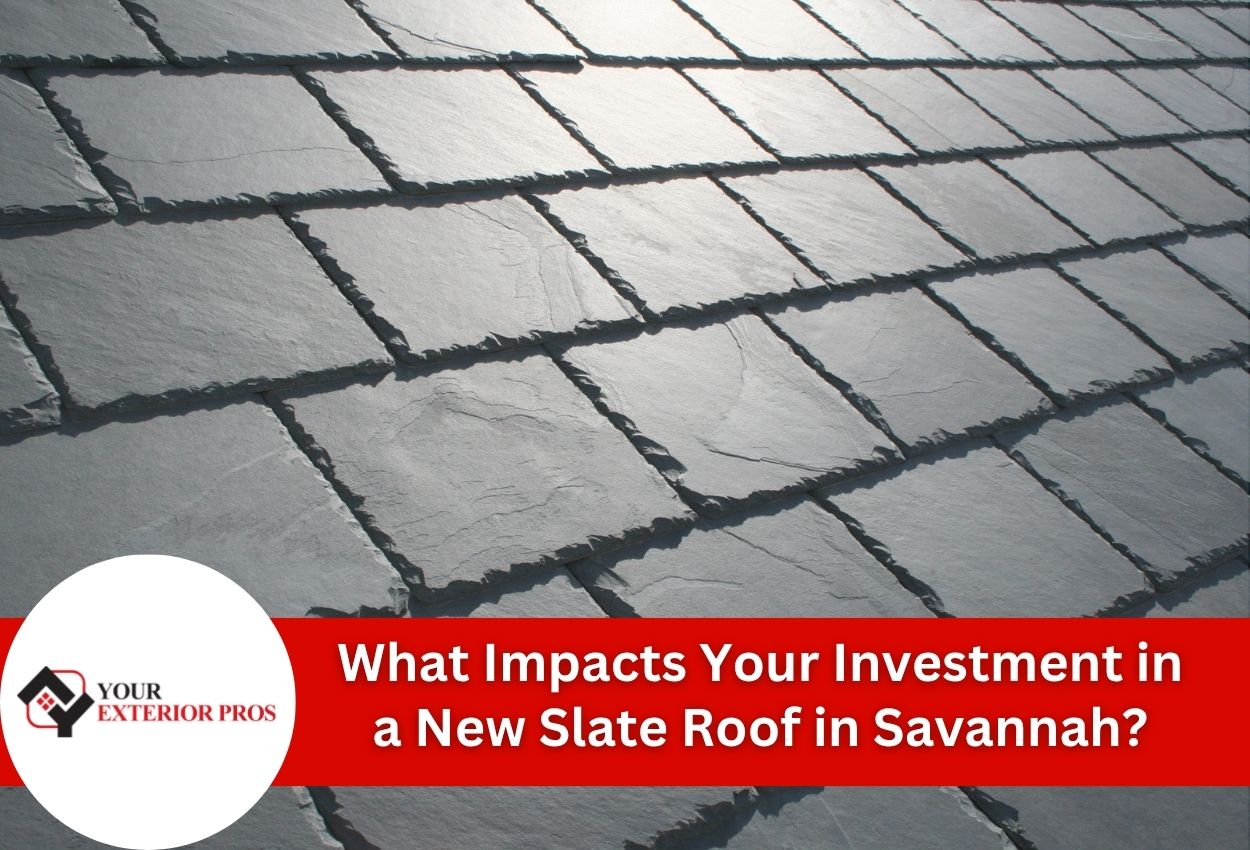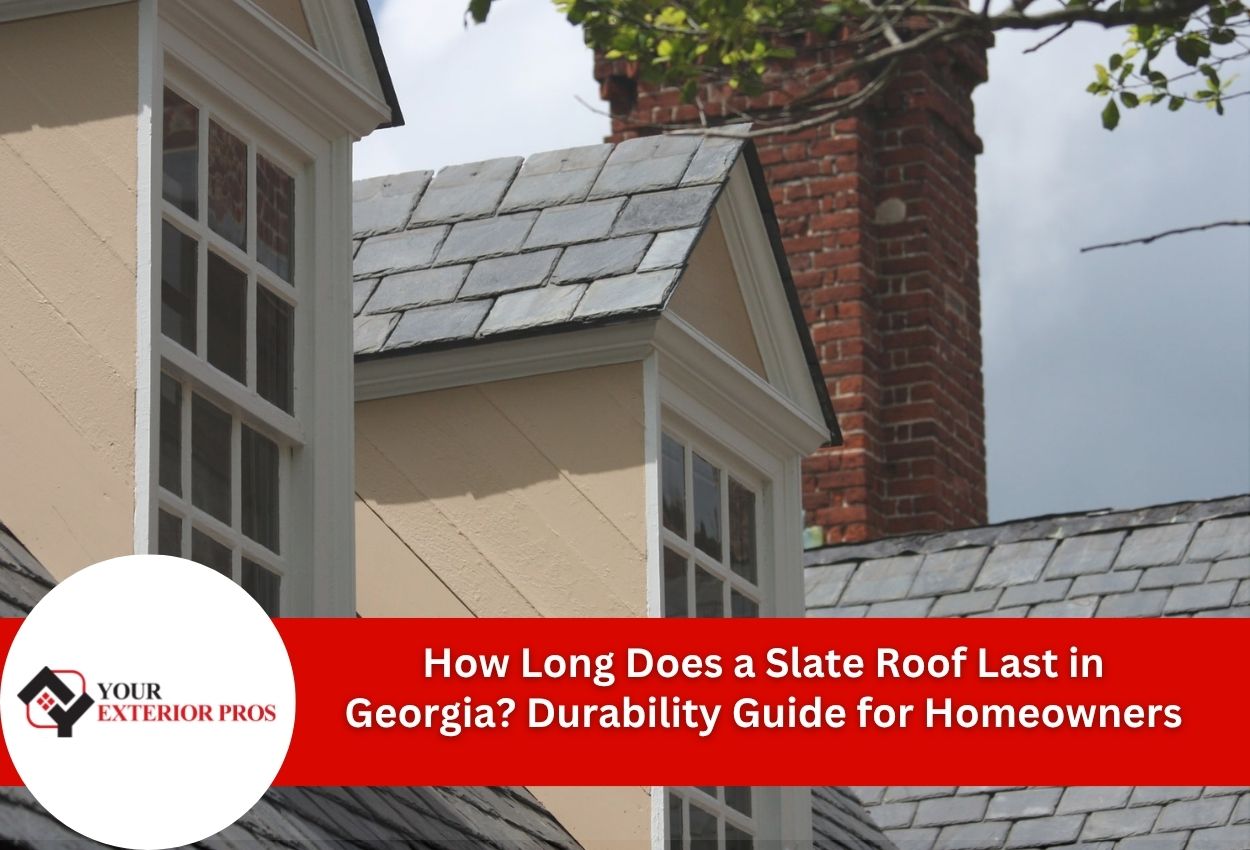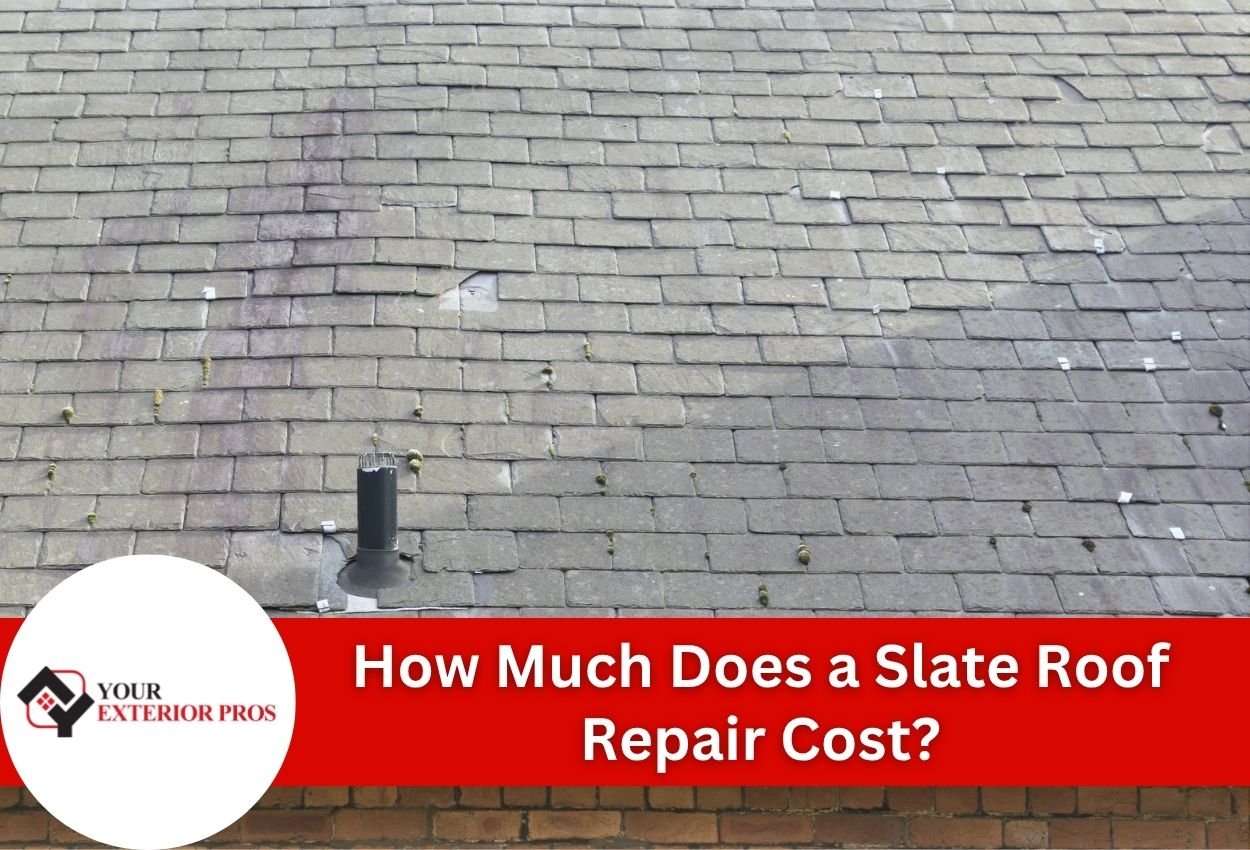

Slate stands out as one of the most hail-resistant roofing options available to homeowners today. This natural stone material is formed through millions of years of geological pressure and heat, creating an exceptionally durable surface that can withstand severe weather conditions, including damaging hailstorms.
The secret behind a slate roof’s durability lies in its unique mineral composition and dense structure. These roofs benefit from their metamorphic rock foundation, which provides superior impact resistance compared to conventional roofing materials such as asphalt shingles or wood shakes. When hailstones strike a properly installed slate roof, the material’s inherent strength typically deflects the impact without cracking or puncturing.
The types of roofing materials that offer hail damage resistance vary significantly in their protective capabilities, but slate consistently outperforms alternatives due to its makeup. The same natural forces that created this remarkable stone millions of years ago continue to protect homes today. Slate roof storm resistance has been proven across centuries of use, making it a premier choice for homeowners seeking long-term protection against nature’s most destructive weather events.
The Science Behind Slate’s Natural Storm Defense
The geological properties of slate reveal why this material excels as one of the most hail-resistant roofing options available. Slate’s density typically ranges from 2.7 to 2.8 grams per cubic centimeter, creating a solid barrier that can absorb tremendous impact energy. With this naturally thick design, slate registers between 5.5 and 6.5 on the Mohs hardness scale, making it significantly harder than most hail-damaged roofing materials like asphalt or wood.
The layered structure of slate results from the process of metamorphic rock formation, which involves sedimentary shale going through intense heat and pressure over millions of years. This transformation creates tightly compressed mineral layers that distribute the force of impact across the surface rather than concentrating it at single points. When hailstones strike, the slate’s parallel grain effectively scatters the energy, preventing gaps or cracking.
The metamorphic process also eliminates weak points and irregularities found in other materials, resulting in consistent storm resistance across every tile. This scientific foundation explains why slate roof durability has protected structures for centuries, maintaining its integrity against the repeated impact of hail that would devastate conventional roofing systems.
Real-World Hail Impact Performance of Slate Roofing
| Category | Performance & Impact Details |
| Hail Size Thresholds | • Up to 2 inches: Quality slate tiles can withstand hailstones of this size without sustaining damage.• Under 1 inch: Typically has little to no impact on natural slate.• 1 to 1.5 inches: May leave minor surface marks without compromising structural integrity.• Over 2.5 inches: Even premium slate may experience chipping or cracking along natural grain lines. |
| Real-World vs. Lab Testing | • Laboratory tests often show higher resistance due to controlled, single-impact environments.• Real storms involve multiple impacts, temperature fluctuations, and driving winds that affect performance.• Protection is realistic for typical events, but golf ball-sized hail (or larger) may require professional inspection. |
| Installation & Age Factors | • The age and quality of installation significantly influence the rate of damage.• New systems with proper underlayment and secure fastening demonstrate superior durability.• These factors explain why similar materials may have different outcomes after a severe storm. |
Comprehensive Storm Weather Protection
A slate roof’s storm resistance extends far beyond hail protection to encompass multiple severe weather challenges. High winds that frequently accompany hailstorms pose minimal threat to properly installed slate systems, as the material’s weight and secure attachment methods resist uplift forces that can devastate lighter roofing materials. The dense structure that makes slate one of the premier hail-resistant roofing options also provides exceptional wind resistance, typically withstanding gusts exceeding 100 miles per hour without displacement or damage.
Temperature changes during storms create thermal stress that can crack or warp many conventional materials, but natural slate roofs benefit from their stable mineral composition. The metamorphic rock structure remains dimensionally stable across extreme temperature ranges, preventing expansion and contraction cycles that compromise other hail-damaged roofing materials. Heavy rainfall accompanying severe storms runs efficiently off slate’s smooth surface without entering the roof or causing deterioration, maintaining the roof’s protective barrier throughout extended weather events.
This multi-weather durability creates a comprehensive protection system that addresses the complex nature of severe storms. Rather than requiring separate solutions for different weather threats, slate roofs provide unified defense against the various elements that typically occur together during major storm systems.
Long-Term Performance and Storm Damage Impact
The relationship between hail resistance and the overall lifespan of a slate roof demonstrates the material’s exceptional value proposition. While minor hail impacts may leave surface marks on slate tiles, these cosmetic effects rarely compromise the roof’s protective function or accelerate deterioration. Natural slate roofing benefits from its non-porous structure, which prevents water infiltration even when surface scratches occur, maintaining the system’s weather-tight integrity for decades following storm events.
Storm damage that would require other roofing materials to need complete replacement only causes localized damage to slate tiles. This selective repair capability preserves the majority of the roof investment while restoring full protection. The modular nature of slate installation allows damaged sections to blend seamlessly with existing materials, maintaining both aesthetic appeal and structural performance without compromising the entire system’s longevity.
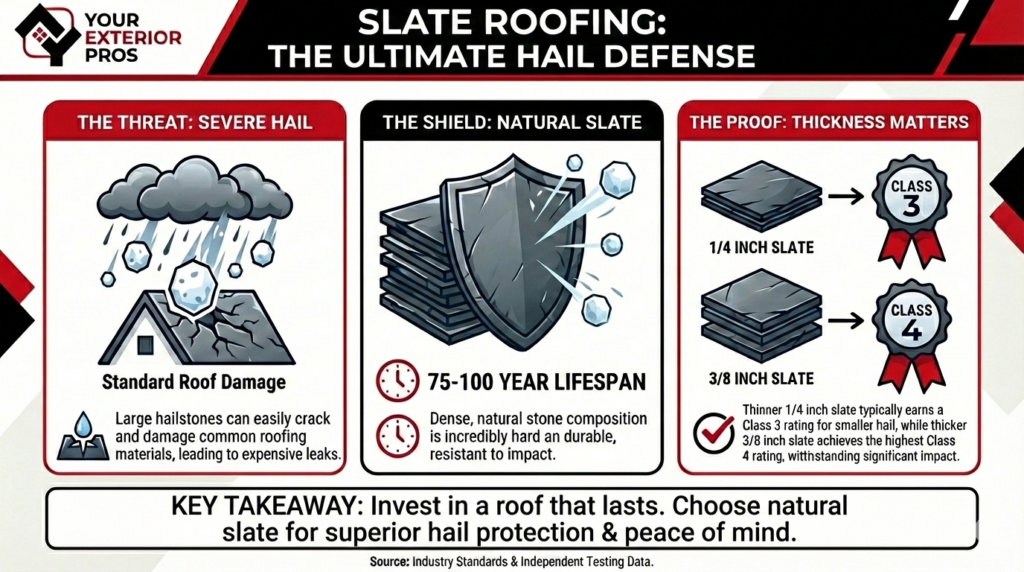
Documentation shows that well-maintained slate roofs continue providing reliable protection for 75 to 100 years or more, even after experiencing multiple severe storm events. This extended service life, combined with superior slate roof storm resistance, creates long-term cost advantages that offset the material’s higher initial investment through reduced replacement frequency and minimal storm-related repair requirements.
Comparing Slate to Other Hail-Resistant Roofing Materials
When evaluating hail-resistant roofing options, slate consistently outperforms impact-resistant asphalt shingles, metal, and tile materials in direct comparison testing. Impact-resistant asphalt shingles typically withstand hailstones up to 1.75 inches before sustaining damage, while quality slate maintains its integrity against 2-inch hail. Metal roofs demonstrate good hail resistance but may develop visible dents from smaller hailstones that leave no marks on slate surfaces, though the denting rarely impacts the metal’s protective function.
Clay and concrete tiles offer moderate hail protection but frequently crack or shatter under impacts that natural slate roofing easily absorbs. The brittle nature of ceramic materials creates vulnerability to thermal shock during storm events, while slate roof durability remains unaffected by rapid temperature changes. Steel and aluminum roofing systems provide reliable protection but require specialized installation techniques and may experience noise issues during hailstorms that slate naturally dampens through its dense composition.
Installation requirements vary significantly among these roofing materials, with slate demanding the most robust structural support due to its weight. However, this same weight contributes directly to slate roof storm resistance, creating superior protection that justifies the enhanced framing requirements for homeowners prioritizing long-term weather defense.
Factors That Influence Slate Roof Hail Resistance
Several critical factors determine how effectively slate roofs withstand hail impacts and maintain their protective integrity during severe weather events. The quality of slate represents the primary variable affecting performance, as premium quarried materials demonstrate superior hail-resistant roofing options compared to lower-grade alternatives. High-quality slate features consistent mineral composition, minimal inclusions, and a uniform grain structure that distributes impact forces evenly across the surface.
The thickness of slate directly correlates with impact resistance, with tiles measuring 3/16 of an inch or greater providing the best protection against moderate to severe hail events. Thicker slate tiles absorb more impact energy before reaching their point of failure, though excessive thickness can create installation challenges and increased structural load requirements. The relationship between slate thickness and a slate roof’s durability explains why premium installations typically specify thicker materials despite higher material costs.
Installation methods significantly influence how the benefits of natural slate roofs translate into real-world storm protection. Proper fastening techniques using corrosion-resistant nails or clips to ensure individual tiles remain secure during high winds that accompany hailstorms. Correct overlap patterns and spacing prevent water infiltration while allowing thermal expansion, maintaining the roofing system’s integrity throughout temperature fluctuations during severe weather events.
Quality underlayment systems provide crucial secondary protection, maximizing a slate roof’s storm resistance. Ice and water barriers installed beneath the slate create additional defense against wind-driven rain and potential leaks in areas with damaged tile. Proper flashing installation around gaps and transitions prevents leaks that could harm the entire system’s performance following hail damage to roofing materials.
Making the Right Choice for Savannah’s Weather Conditions
Georgia’s coastal climate creates unique challenges that significantly impact the performance and lifespan of a slate roof. Luckily, the benefits offered by slate in this situation are consistent, as the material’s non-porous structure prevents moisture absorption that affects other hail-damaged roofing materials. Summer temperatures frequently exceed 90 degrees Fahrenheit with humidity above 70%, yet the roof’s natural composition durability remains unaffected.
Local hail patterns in the Savannah area typically produce stones measuring between ¾ of an inch and 1.5 inches, well within the range where slate demonstrates superior hail resistance. Spring and early summer storms occasionally create storms with larger hailstones exceeding 2 inches in size, but according to historical data, this does not occur as frequently.
When considering roofing materials, homeowners must account for how common severe weather is and whether slate is worth the higher initial investment. Insurance companies often provide premium discounts for impact-resistant roofing systems, and slate’s proven durability may allow you to qualify for reduced rates. The combination of slate’s exceptional storm protection and potential insurance savings creates compelling financial justification for homeowners in areas experiencing regular severe weather events, making it a practical long-term investment when evaluating durable roofing options for Georgia and comprehensive property protection. Homeowners who are concerned about the upfront cost can also explore roofing financing options to make a quality slate roof more accessible.
Discover the Durability of A Slate Roof in Savannah
If you’re considering roofing options that offer durability and natural resistance to severe weather, slate roofs might be the perfect choice for your home. Known for their longevity and toughness, slate roofs are not just naturally equipped to combat the impact of hail, but also enhance the aesthetic appeal of your property.
Your Exterior Pros are the experts in slate roofing solutions, ready to help you understand the benefits and install a roof that stands the test of time. Don’t wait for the next storm to find out if your roof can handle it. Call us today at (912) 250-4730 to schedule a consultation and ensure your home is protected with the best roofing materials available.