We’re available to answer any questions you have about your project during our normal business hours!

Follow Us On


Schedule a Consultation
Bloomingdale sits in a part of coastal Georgia where the heat and humidity stick around for most of the year. Summers push well into the 90s, rain comes often and hard, and the air holds enough moisture to wear down building materials faster than most homeowners expect. For older single-family homes in small Chatham County neighborhoods like this one, that combination matters a lot when you want to add or rebuild a porch. Wood that is not properly treated, framing that is not tied in correctly, or a roof detail that does not shed water well can lead to rot, warping, and structural problems sooner than you would think.
A well-built porch is not just extra square footage. In this market, it’s a covered, structurally sound extension of your home that has to handle real weather. That means treated framing, moisture-resistant materials, a proper roof tie-in, and drainage details that actually work. Your Exterior Pros brings that level of attention to every porch construction project in Bloomingdale. As a contractor who works on exterior and structural projects throughout the Savannah metro, we understand how coastal Georgia conditions affect building materials and what it takes to build something that holds up year after year.
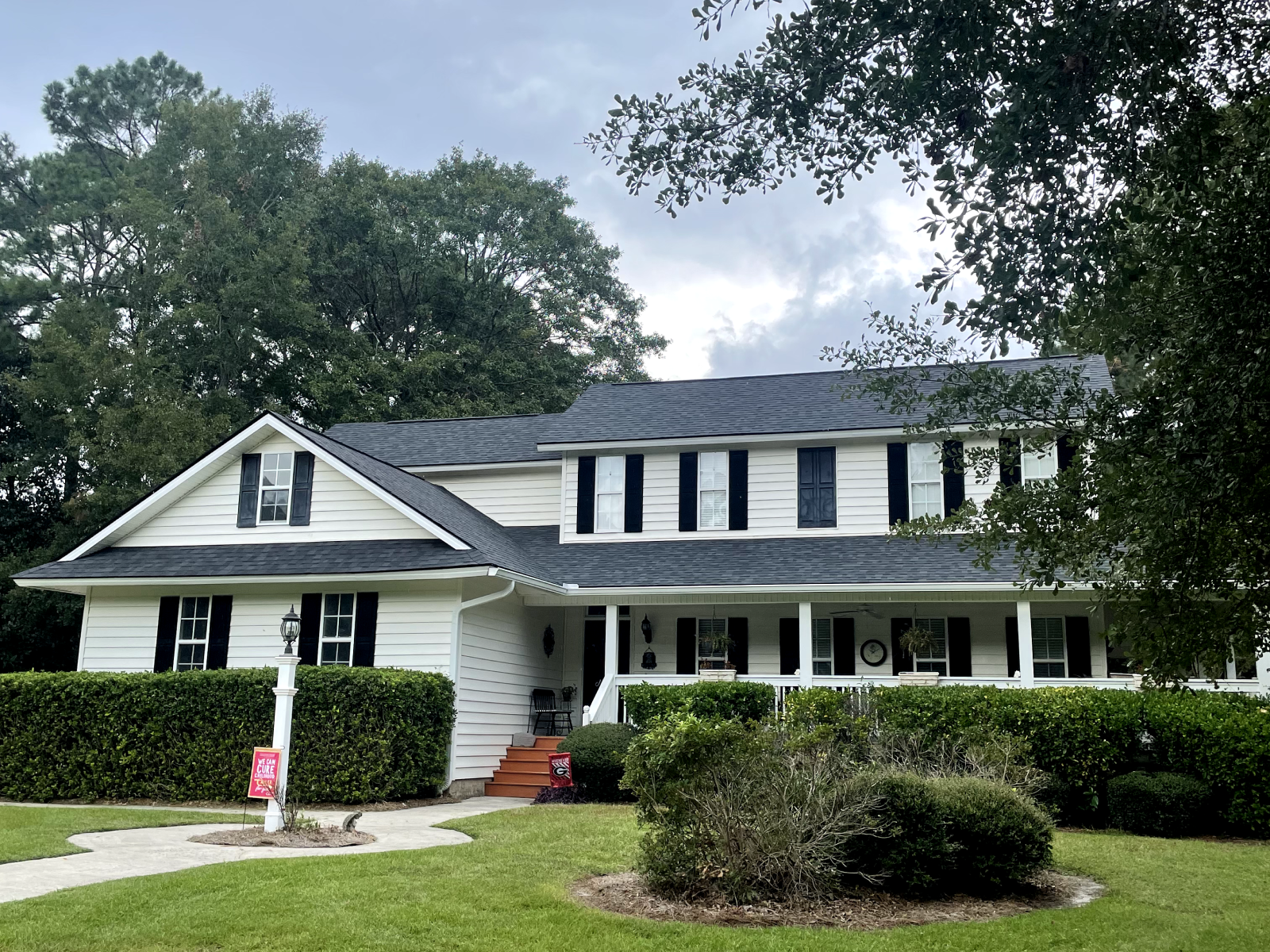
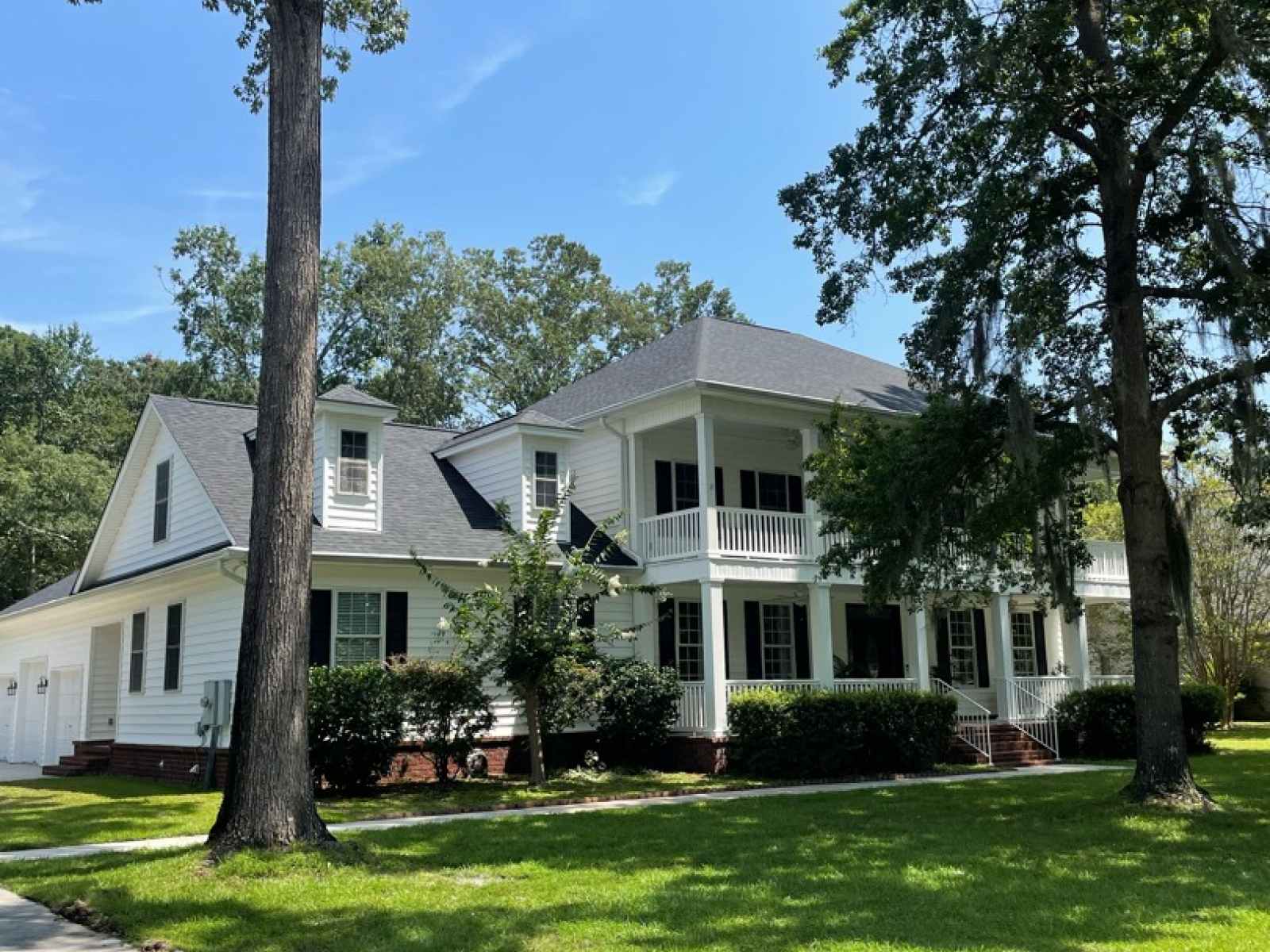
Whether you are replacing a tired front entry porch, adding a covered porch along the back of your home, or enclosing an existing structure with screens, the construction process needs to be done right from the ground up, starting with the framing and finishing with details that keep water and insects out.
A porch project has to account for the existing home as well as the new structure, so the connection points, materials, and construction details need to be worked out before building begins.
The porch style and materials you choose matter more in coastal Georgia than in drier parts of the country. Heat, humidity, and frequent rain put real pressure on framing, decking, and finishes, so every decision should account for those conditions before the first board goes in.
| Porch Type | Best For | Key Consideration in Bloomingdale |
|---|---|---|
| Covered Open Porch | Shade, rain protection, curb appeal | Roof tie-in and water shedding details are important on older homes |
| Screened Porch | Insect control, ventilation, extended outdoor use | Screen framing must be built to handle humidity and frequent wind-driven rain |
| Front Entry Porch | Covered entry, curb appeal, structural upgrade | Common on older Chatham County homes; often needs footing and framing work |
| Rear Addition Porch | Expanded outdoor living space | Structural attachment to existing walls requires proper framing and flashing |
For materials, treated lumber is the practical standard for framing in this area because raw wood breaks down quickly in the humidity here. Composite decking holds up well for flooring surfaces where standing moisture and repeat rain exposure are regular concerns. Getting the material selection right from the start means fewer repairs and a porch that actually lasts in Bloomingdale's conditions.
Every porch we build starts with properly sized footings and a structurally sound connection to your home's existing walls and framing. In Chatham County, building code requirements for railings, stairs, footings, and structural tie-ins are not optional, and skipping these details is one of the most common reasons older porches fail.
Connecting a covered porch roof to your existing roofline requires flashing, proper slope, and drainage details that actually direct water away from the structure. With the amount of rainfall coastal Georgia sees each year, this work is what separates a porch that stays dry from one that quietly rots from the top down.
Railings and stairs are built to meet structural requirements and finished to match the exterior of your home. Trim, fascia, and finish details are included in the build so the completed porch looks like it belongs there rather than something added on as an afterthought.
For screened porches, the framing that holds the screen panels in place is built with humidity and wind-driven rain in mind. Properly detailed screen enclosures keep insects out and hold up through the kind of repeated weather exposure that breaks down lighter framing over time here in Bloomingdale.
Coastal Georgia gives homeowners a long outdoor season, but it also puts real demands on anything built outside. The heat, the humidity, and the regular rain that come with living in this part of Chatham County are exactly why the structural and material decisions behind a porch matter as much as the finished look. A porch built with the right framing, proper moisture-resistant materials, and solid roof integration is one that holds its value and stays useful for years without turning into a repair problem.
Your Exterior Pros works with homeowners throughout this part of Chatham County on porch projects that are built to handle local conditions from the ground up. If you are ready to add covered outdoor space to your home or rebuild what you already have, we are glad to take a look at your property and walk you through what the project would involve. Reach out to Your Exterior Pros whenever you are ready to get started.
Got questions about your roof? We’ve got answers. From maintenance tips to insurance claims and repair timelines, our FAQ section covers the most common concerns homeowners have. Get informed and make confident decisions about protecting your home.
Most covered porch additions and screened enclosures in Chatham County require a building permit, especially when the project involves footings, structural attachment to the home, or a new roof section. Your Exterior Pros handles the permit process as part of the project, so you are not left figuring out local requirements on your own. Building without a permit can create problems when you sell your home, so it’s worth doing correctly from the start.
The joint where a porch roof ties into your existing home is one of the most common places water finds its way in, particularly during the prolonged rainstorms that move through coastal Georgia each year. If that connection is not flashed and sloped correctly, water can work behind the siding and into the wall framing long before you notice any visible damage inside. Getting that detail right during construction is far less expensive than addressing rot or framing repairs after the fact.
The answer usually comes down to what is happening with the framing and footings beneath the surface. Decking and railings can often be replaced without touching the structure, but if the posts, beams, or ledger board show rot or the footings have shifted, a repair on top of a compromised frame tends to be a short-term fix. We look at the existing structure before recommending a direction, so you get an honest read on what will actually solve the problem rather than just cover it up.
We’re available to answer any questions you have about your project during our normal business hours!
500
1,000


Our Roofing Experts Are Always Ready To Help!