We’re available to answer any questions you have about your project during our normal business hours!

Follow Us On


Schedule a Consultation
Living along the Georgia coast means your roof faces constant challenges from tropical storms, hurricanes, and persistent high winds that can lift shingles, crack flashing, and leave vulnerable spots for water to find its way inside. Savannah receives around 5 months of measurable humidity each year, and when you combine that moisture with salt content in the air from the nearby Atlantic, any damage to your roof deteriorates faster than it would inland.
Professional storm damage roof repair addresses these specific coastal threats by identifying every area of weakness, replacing damaged materials with products built to handle wind and moisture, and sealing your roof system before the next weather event arrives. Your Exterior Pros understands how Savannah's older coastal homes require special attention after storms, particularly where original construction methods may not meet current wind uplift standards. We inspect not just the obvious damage, but also check for subtle issues like lifted edges, compromised underlayment, and fastener pull-through that high winds often cause, but homeowners cannot see from the ground.
Storm damage creates stress and uncertainty, but understanding how the repair process works helps you feel confident that your roof will be fully restored and protected.
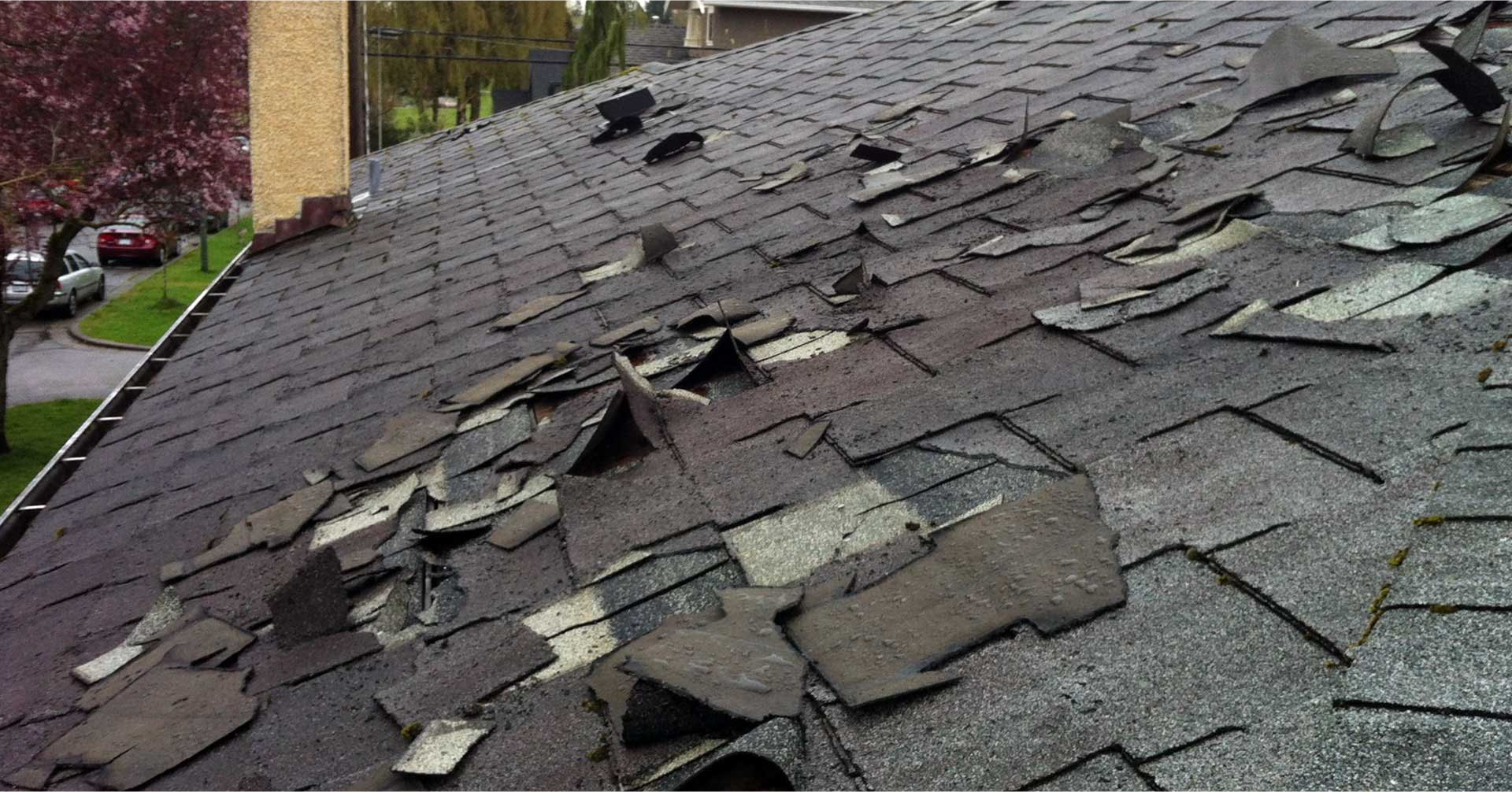
After a storm passes through, you might see obvious damage like missing shingles or torn flashing, but many problems hide beneath the surface and only become visible weeks later when leaks appear inside your home. Knowing what to look for based on your roofing material helps you catch issues before they lead to expensive interior repairs or structural concerns.
| Roof Material | Common Storm Damage | Warning Signs |
|---|---|---|
| Asphalt Shingles | Wind uplift and granule loss from high winds and rain | Bare patches on shingles, curling edges, or scattered granules in gutters |
| Metal Roof | Corrosion from salty air and loose fasteners from sustained wind pressure | Rust spots, lifted panels, or visible gaps at seams and ridges |
| Tile or Slate | Cracking from falling branches or hail impact | Broken tiles visible from the ground, debris in valleys, or exposed underlayment |
| Flat or TPO | Seam separation and pooling water from heavy rainfall | Standing water after rain clears, bubbling membrane, or wet spots on interior ceilings |
Check your fascia and soffit for separation along the roofline, and if you have a crawl space, look for new moisture or musty odors that suggest water is entering through roof damage you cannot see from outside.
Professional storm damage repairs protect your home long after the immediate fix is complete by ensuring every material is installed correctly to handle seasonal temperature changes and the persistent humidity that defines coastal living. When your roof is fully restored and sealed against future weather, you regain confidence knowing that the next storm won't threaten your interior or leave you wondering whether hidden damage is getting worse. Quality craftsmanship matters in Savannah because coastal conditions expose poor workmanship faster than anywhere else.
Your Exterior Pros works with homeowners throughout Savannah to restore roofs damaged by storms and prepare them for whatever weather comes next. When you're ready to address your storm damage, contact us to schedule a professional roof inspection and get your home back to full protection.
Got questions about your roof? We’ve got answers. From maintenance tips to insurance claims and repair timelines, our FAQ section covers the most common concerns homeowners have. Get informed and make confident decisions about protecting your home.
You should call within a few days of the storm to allow a professional to document damage while conditions are still fresh and before additional rain causes secondary problems. Waiting too long can make it harder to determine what the storm actually damaged versus what deteriorated afterward. Early inspections also let you secure repairs before local contractors get backlogged with requests from other affected homeowners.
Check your attic for new water stains on rafters or decking, damp insulation, or light coming through where it shouldn't. Even if you don't see active leaks dripping, wet insulation or dark streaks on wood tend to indicate that water entered during the storm and your roof needs attention before the next rainfall. These signs often appear before you notice ceiling damage inside your living spaces, giving you a chance to prevent more serious problems.
Yes, because shingle granules protect the asphalt layer from UV exposure and moisture absorption. Once they wash away, the shingle underneath begins to deteriorate much faster in our strong coastal sun and frequent rain.
You might not see leaks right away, but shingles without their protective granule layer crack, curl, and fail within a year or two instead of lasting their expected lifespan. If you notice granules collecting in your gutters or downspouts after a storm, it's worth having a professional examine which shingles lost coverage and whether replacement is needed now or soon.
We’re available to answer any questions you have about your project during our normal business hours!
500
1,000


Our Roofing Experts Are Always Ready To Help!