We’re available to answer any questions you have about your project during our normal business hours!

Follow Us On


Schedule a Consultation
Living along the Georgia coast means your roof faces constant stress throughout the year. Darien gets roughly 50 inches of rain a year and faces high winds, humidity, and tropical systems that roll through during hurricane season from June through November. Salt-filled air off the coast speeds up shingle wear, breaks down the sealant around flashing, and corrodes fasteners faster than you would see inland. When a storm moves through and lifts tabs, loosens drip edges, or cracks aging shingles, the damage is not always obvious from the ground. What looks like a minor issue after a storm can quietly allow water into your roofing system, where it works against the underlayment and framing before you ever notice a stain on the ceiling.
That is where Your Exterior Pros comes in. Serving McIntosh County and the surrounding area, our team knows how Darien's weather wears on roofs and where storm damage tends to hide after a windstorm or rain. We focus on the spots that matter most: ridge lines, flashing, and roof edges, where blow-offs and leaks usually start. Whether your roof lost a few shingles in a late-summer storm or you are dealing with repeated leaks after a tropical system, we can inspect the full roof and get storm damage repairs in place before the next round of weather arrives.
Not knowing what happens next is one of the hardest parts after a storm. Here is exactly what to expect when you call Your Exterior Pros for storm damage roof repairs in Darien:
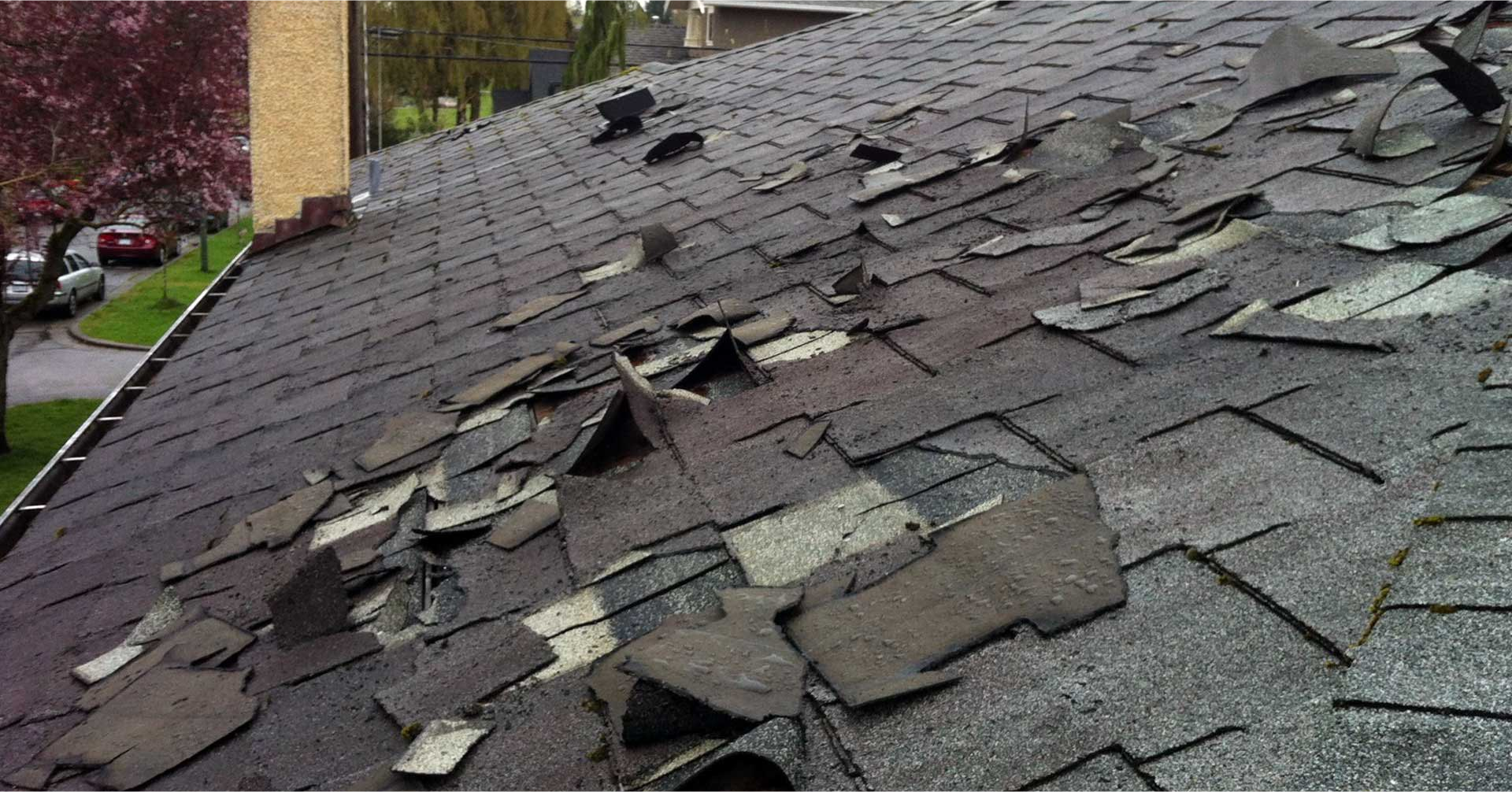
After a storm moves through Darien, the damage to your roof is not always where you expect it to be. Coastal wind patterns put the most pressure on edges, ridges, and flashing, and the combination of salt-filled air and humidity can reveal problems that were quietly developing before the storm ever hit.
| Damage Type | Where It Shows Up | Why It Matters |
|---|---|---|
| Lifted or missing shingles | Along the roof, edges, and hips | Exposes the underlayment to rain and UV breakdown |
| Flashing separation | Chimney, vents, and roof-to-wall joints | One of the most common entry points for leaks after wind |
| Loose or lifted drip edges | Roof perimeter | Allows water to work behind the fascia boards and rot the roof deck |
| Granule loss on shingles | Visible in gutters and downspouts | Signals shingle wear that accelerates after storm impact |
| Damaged ridge cap | Peak of the roof | The ridge is highly exposed to wind and fails early in strong storms |
Because Darien's humidity stays high after storms pass, even small openings in your roof can allow moisture to build up in ways that are not visible until real damage has set in. Getting a complete inspection shortly after a storm is the best way to catch problems before they get expensive.
Storm damage on a roof isn’t always obvious, and in Darien, the combination of tropical winds, salt content in the air, and constant humidity means small problems can turn into expensive ones quickly. A thorough repair goes beyond swapping out a few missing shingles. Here’s what our storm damage roof repairs cover for Darien homeowners:
In Darien, standard nailing patterns are not enough to hold shingles through tropical winds. We replace damaged shingles using enhanced nailing and properly sealed starter strips designed to stay put when wind speeds climb during hurricane-season storms.
Salt-filled air and repeated moisture exposure corrode flashing faster along the Georgia coast than in most inland areas. We address failing flashing at chimneys, vents, and roof-to-wall connections using materials suited for the coastal environment, keeping those joints sealed between storms.
Heavy rain and Darien's persistent humidity can soak through shingles that look fine from the outside, leaving the underlayment and roof deck wet long after a storm passes. During repairs, we check the condition of the exposed underlayment and the roof deck boards to make sure hidden moisture damage is not left behind.
Roof repair work in McIntosh County may require approval through the local building and zoning office before or during the job. We handle the coordination so your repairs meet local code requirements and you are not left managing that process on your own.
Got questions about your roof? We’ve got answers. From maintenance tips to insurance claims and repair timelines, our FAQ section covers the most common concerns homeowners have. Get informed and make confident decisions about protecting your home.
It does, and it is one of the more overlooked factors for coastal homeowners. Salt-filled air accelerates corrosion at fasteners, flashing, and drip edges, which means materials that hold up fine inland can fail faster here after wind and rain exposure. That is why material selection for storm repairs in Darien matters more than it might elsewhere. Using corrosion-resistant fasteners and flashing products designed for coastal conditions helps repairs last through future storm seasons instead of failing prematurely.
Permit requirements depend on the extent of the work. Minor repairs, like replacing a few shingles, often don’t require one, but replacements and repairs involving the roof deck or structure typically do. A reputable contractor will know where the line is and handle that coordination for you.
The areas that catch most homeowners off guard are the roof edges and flashing joints, not the open field of shingles. Wind lifts materials from the perimeter inward, so drip edges, starter strips, and flashing around chimneys and vents often take the first hit. Because Darien's humidity stays elevated long after a storm clears, moisture that gets behind lifted drip edges or a slightly separated flashing joint can work into the roof deck and underlayment for days before you see any sign of it inside your home.
We’re available to answer any questions you have about your project during our normal business hours!
500
1,000


Our Roofing Experts Are Always Ready To Help!